Depth of discharge and remaining capacity answer different questions
Depth of discharge describes how much capacity is used during a discharge. A retained-capacity threshold describes how much remains when the cycle-life result is assessed. Do not treat two percentages beside a cycle count as interchangeable.
Victron’s Lithium Smart technical table defines cycle life at capacity of at least 80% of nominal. It lists 2,500 cycles at 80% depth of discharge, 3,000 at 70% and 5,000 at 50%. Here, the 80% remaining-capacity threshold and 80% depth of discharge serve different purposes. These values belong to that battery family; they are not ratings for LP1600 or other Toyama catalogue products.
Victron’s troubleshooting guidance also explains that ageing reduces capacity and deeper discharges allow fewer cycles than shallower ones. A headline count alone therefore cannot settle a comparison.
References: Victron Lithium Smart technical data and battery ageing guidance, checked 14 October 2026.
What does the LP1600 cycle reference tell you?
The LP1600 manufacturer table publishes at least 6,000 cycles at 25°C ± 3°C. In that main specification table, the depth of discharge, retained-capacity endpoint and test current are not stated. Treat those as questions to resolve from the current exact-model documentation, rather than filling them in from another battery’s specification.
That temperature reference is not evidence for the same cycle result at a different site temperature. Include the planned location and expected conditions in your Dubai equipment enquiry, and request the applicable operating and lifecycle documentation.
Product source: LP1600 manufacturer specification table, checked 14 October 2026. The Toyama LP1600 page retains the published cycle reference; this article does not add missing test conditions.
Use the same evidence fields for each quotation
Copy this worksheet for each candidate. Keep an unanswered field marked “not confirmed”; a missing condition is not proof of poor performance, but it prevents a like-for-like conclusion.
| Field to record | Evidence to request |
|---|---|
| Model and document revision | Exact model code, current datasheet and the document containing the cycle claim. |
| Cycle count and counting method | What constitutes a counted cycle in this test or specification? |
| Depth of discharge | How much capacity was used during each test discharge? |
| Remaining-capacity threshold | What capacity endpoint defines the reported cycle-life result? |
| Temperature and charge/discharge rate | Which test conditions apply, and what evidence relates them to the proposed use? |
| Warranty terms | Who provides the applicable purchase warranty, what is covered and which exclusions apply? |
Keep the warranty document separate from the cycle-test reference. A published cycle count does not establish the warranty applicable to your purchase. Confirm the exact terms with Toyama; no warranty period or coverage is promised by this article.
Likewise, converting a cycle count into calendar years by assuming one cycle per day does not establish a supported service-life estimate. Ask for evidence applicable to the intended use rather than presenting that arithmetic as a lifetime guarantee.
Send the evidence gaps with your battery enquiry
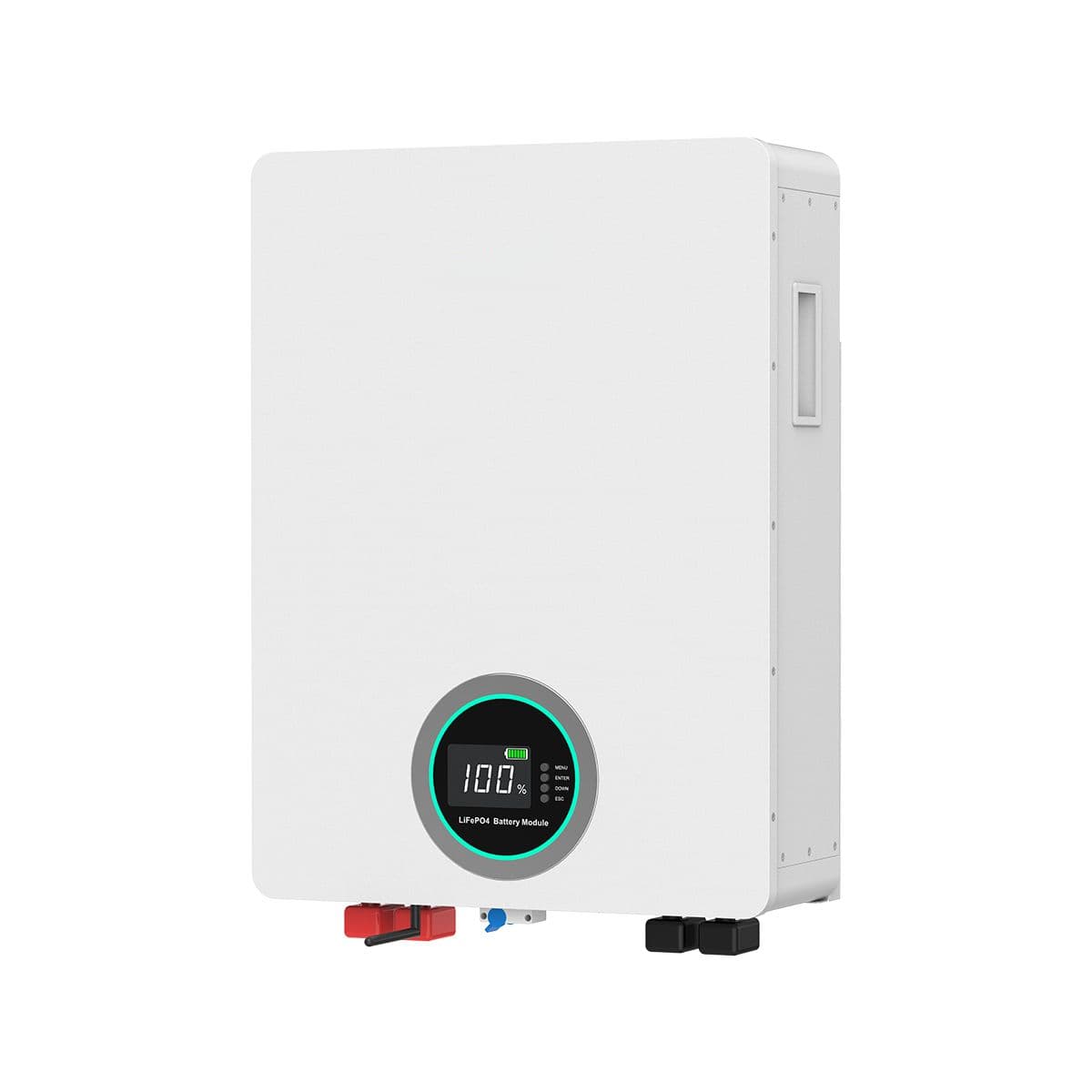
Include the candidate model, worksheet, expected usage pattern and location. Attach any available datasheet revision and identify the unanswered lifecycle questions. A qualified system designer should assess the proposed configuration and operating requirements.
For separate sizing questions, read battery Ah, kWh and current limits. For the documented inverter pairing, use the BMS communication checklist. Browse low-voltage batteries without treating a series headline as a confirmed configuration.
Prepare your storage enquiry →