The starting point
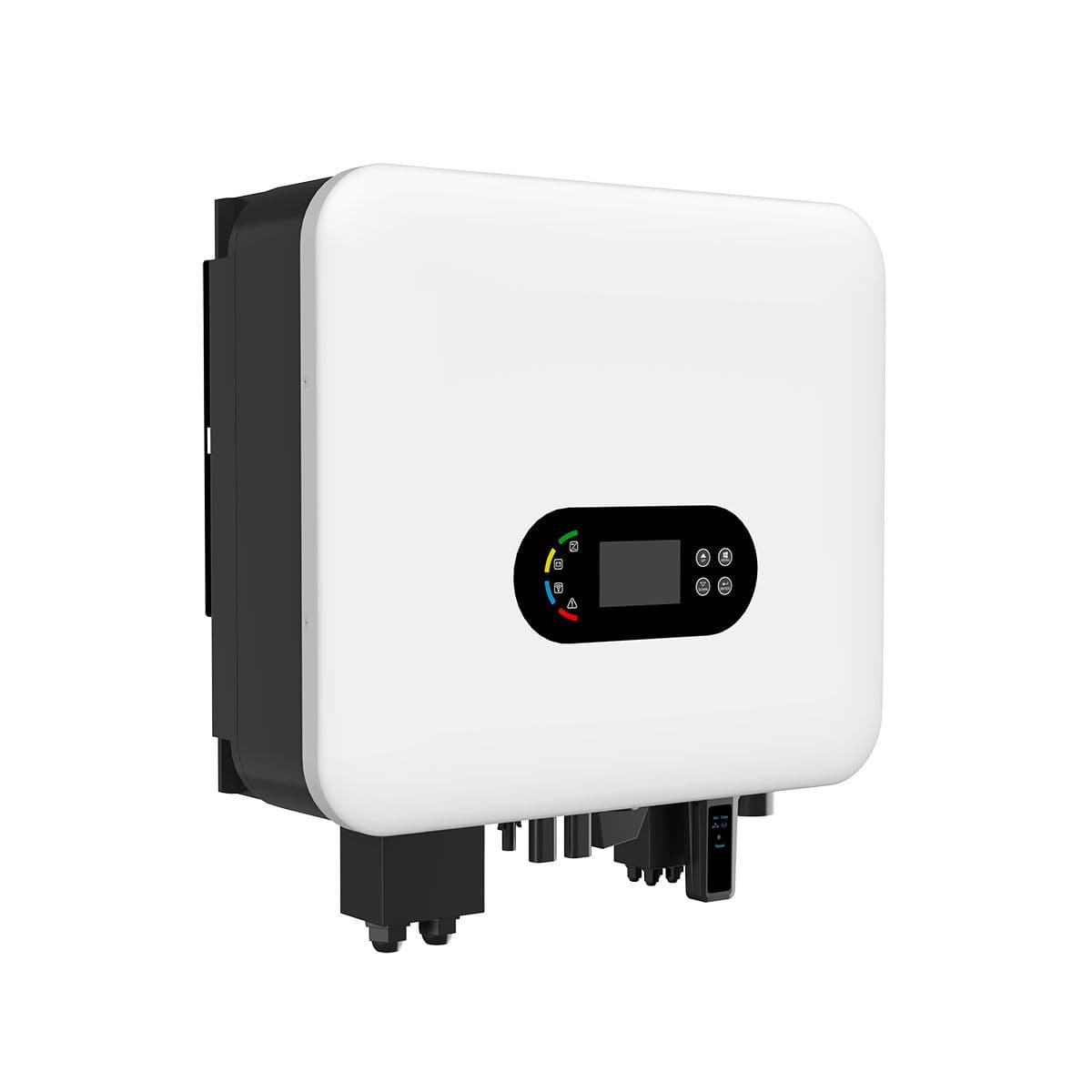
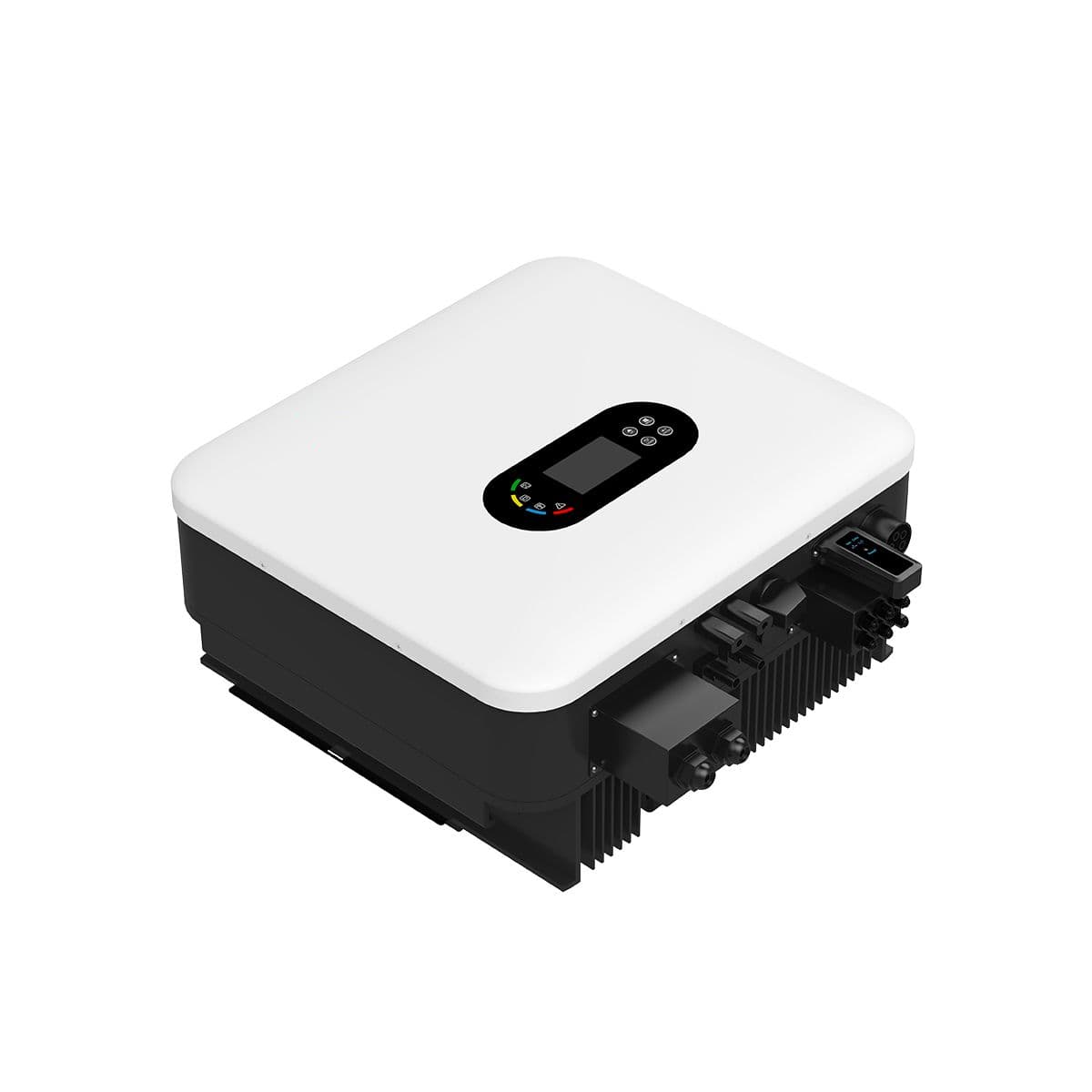
A solar-and-storage brief has two different questions: how much power the site needs at a time, and how much energy it needs to store. The inverter and battery answer different parts of that brief. Start by identifying the loads, the available supply and what should happen when the grid is unavailable. Then compare equipment families and the exact model specifications together. Grid-tie inverters serve grid-connected solar generation; that role alone does not establish battery charging or outage backup. Compare those requirements separately from hybrid and storage equipment.
What to compare before choosing.
Power and energy are different
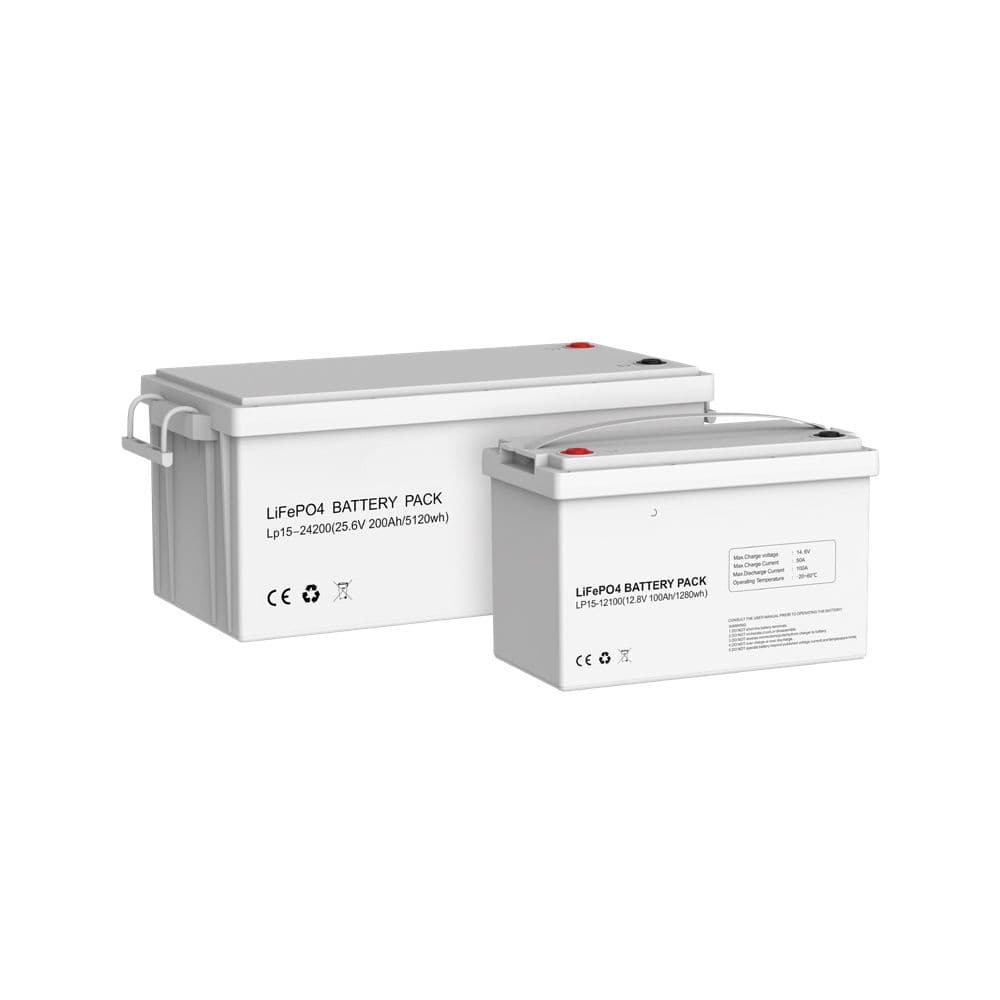
An inverter rating in kW describes power. A battery capacity in kWh describes stored energy. Matching these numbers does not establish runtime: the usable battery energy, the actual load and system losses all matter. Bring the load schedule and intended operating hours to the discussion.
Voltage alone is not compatibility
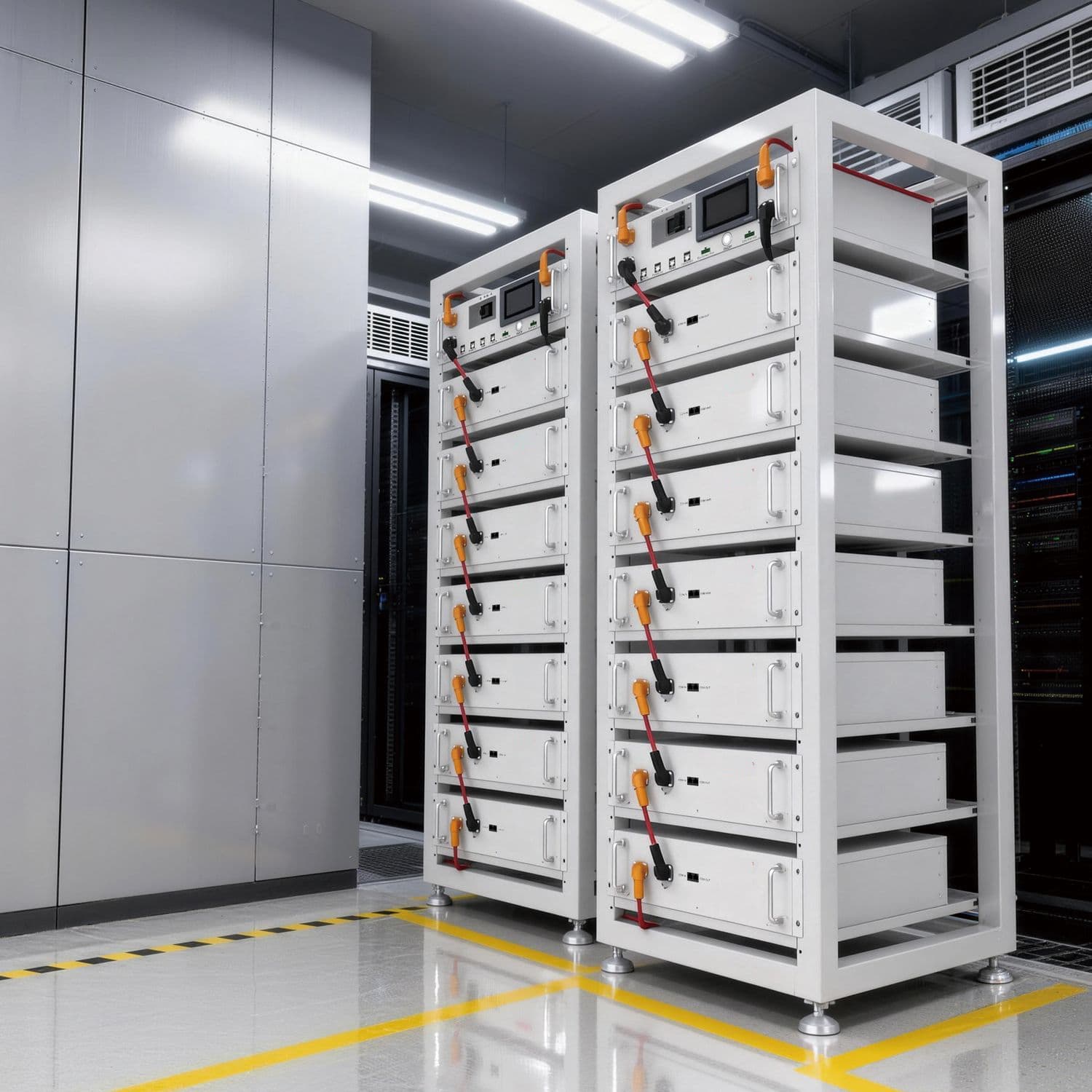
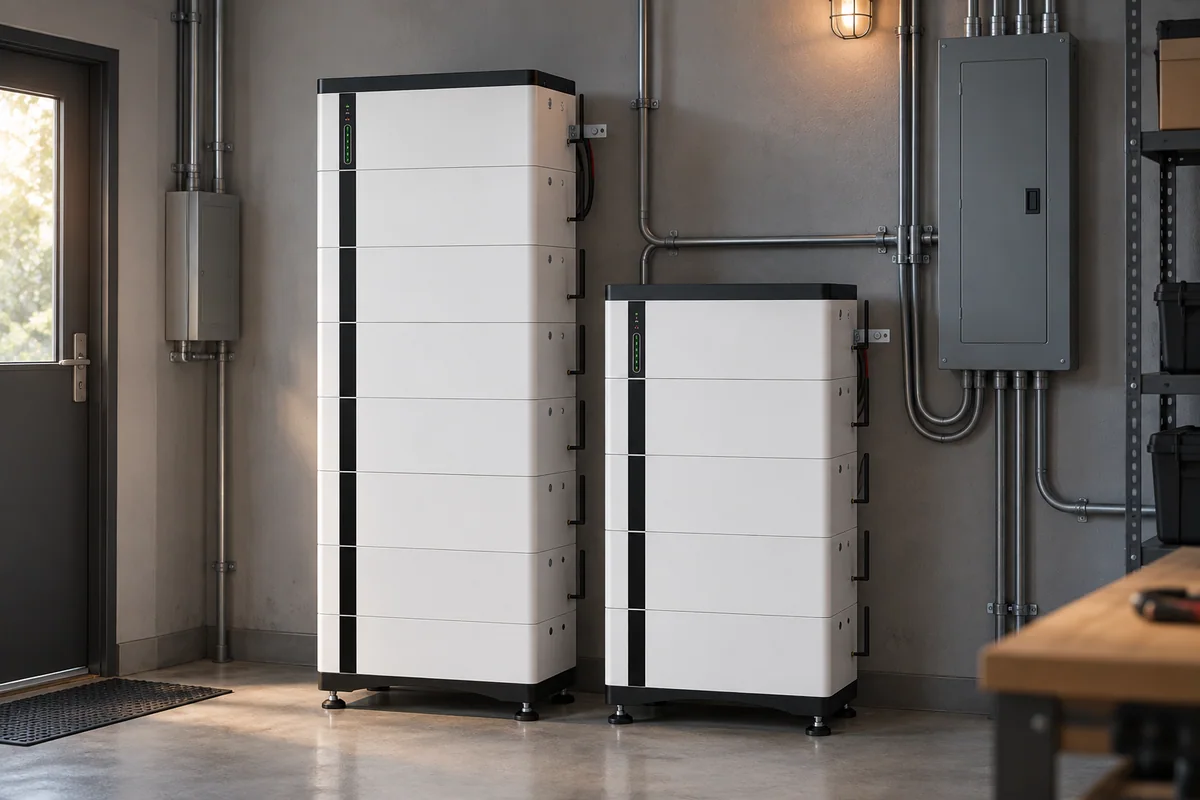
Check the inverter's battery voltage range, supported battery communications and charging limits against the exact battery model. Low-voltage and high-voltage battery families serve different architectures. Products shown together here are families to investigate, not a pre-approved system bundle.
Define the backup requirement
A grid-connected solar system does not automatically provide backup during an outage. Ask which loads need backup, the required changeover behavior, and whether the chosen inverter supports that operating mode. Supply phase and the equipment's input and output ratings must match the project design.
Home battery storage: define the job first.
For a home enquiry, separate using stored energy during normal operation from supplying selected loads during an outage. You may want both, but they require different questions about the proposed equipment and site.
Daily storage: when should the energy be used?
Record daytime and evening use separately. Include your existing solar and inverter model, if any, and the devices you intend to run together. Describe the operating periods rather than asking for a battery size from the household name alone.
- What generation or charging arrangement already exists?
- Which loads run together, and at what times?
- What measured consumption or equipment ratings are available?
Outage backup: which loads must stay supplied?
List the loads you need during an outage separately from loads you can leave off. Give the required duration and acceptable interruption for each group. Ask for documented backup output and changeover behavior for the exact proposed system.
- Which loads are essential to this brief, and which can be deferred?
- Are there starting loads or equipment that cannot tolerate interruption?
- What supply phase, voltage and connection requirements need professional review?
A battery capacity number does not establish whole-home backup or a reduction in your electricity bill. Confirm usable energy, output limits, the exact inverter pairing and the proposed operating arrangement. Site design and any grid-connection permission remain separate from choosing a catalogue product.
Concept reference: SMA home energy solution, checked 14 October 2026, describes storing excess solar for later use and presents SMA Backup separately. Its functions, tariffs and savings claims are not specifications or promises for Toyama equipment.
Use the battery sizing and compatibility guide and supply-phase checklist for the corresponding evidence questions. In your project brief, identify whether you want daily storage, outage backup or both, and mark unknown details clearly.
Plan the grid connection as well as the equipment.
For a Dubai solar project connected to DEWA’s grid, equipment selection is one part of the process. DEWA describes an application, design review and later inspection and connection stages through an enrolled solar consultant or contractor.
Start with the appointed project team
Use DEWA’s enrolled consultant and contractor information to discuss site feasibility and the proposed system. For an equipment enquiry, have the site supply, intended generation and backup roles, and exact model names ready.
Check the exact equipment status
DEWA maintains a periodically updated equipment eligibility list and says its old PDF list is obsolete. A catalogue entry, voltage rating or manufacturer certificate does not by itself establish eligibility for your project. Check the current official information with the appointed consultant or contractor.
Keep approval and connection separate from ordering
DEWA’s process includes design review, followed by inspection, metering and connection arrangements. Confirm the required project documents and responsibilities before committing to equipment. Buying an inverter or battery does not complete those steps.
Use Toyama’s catalogue to compare published specifications and prepare your equipment brief. This guide does not verify Toyama’s contractor enrolment or any product’s DEWA eligibility, and it does not provide an installation design.
Official references: DEWA connection process, equipment eligibility and enrolled consultants and contractors. Reviewed 10 October 2026; check the current requirements for your project.
Compare equipment roles: grid-tie inverters and hybrid inverters. These links do not describe an approved package or guarantee outage backup.
Find the right family to explore.
Use these categories to compare model specifications. They are not a pre-configured or verified compatible equipment package.
Before you shortlist.
Should I start with an all-in-one system or separate components?+
An all-in-one ESS combines functions in one enclosure, while separate equipment provides distinct inverter and battery choices. Compare capacity, expansion limits, interfaces and installation requirements for the specific models before choosing an architecture.
Can Toyama confirm a complete system from a catalog comparison?+
The comparison shows published specifications. Share the exact models and project requirements with Toyama to discuss the configuration; the comparison itself does not verify compatibility or provide an electrical design.
Understand the ratings before you shortlist.
Use these explanations to compare specifications and prepare the questions for your equipment enquiry.
Further reading: SMA: solar, storage and home energy concepts. External references explain general concepts; they do not establish compatibility or affiliation with Toyama.