All-in-One ESS
Integrated energy storage units bundling inverter, battery and charge controller in one cabinet.
Similar storage families can have different AC outputs.
Start with the exact model and your site’s supply. Compare normal and battery-mode output separately before comparing stored energy.
HBP1100 LV
The manufacturer table lists 110/120/130V nominal AC output and 120V battery-mode output, with single-phase grid type. This is a distinct voltage variant.
HBP1100 PRO
The manufacturer table lists 220/230/240V nominal AC output and 230V battery-mode output, with single-phase grid type. Confirm the supplied model and operating requirements.
Confirm the complete requirement
Include site voltage, phase, frequency, connected devices and the required backup role. Matching a voltage figure does not establish a suitable configuration or approval for grid connection.
14 models to explore
Find your model, compare the published specifications, and discuss the right configuration for your project.
14 of 14 models shown. Select up to three to compare.
Your shortlist stays in this tab while you explore product pages.
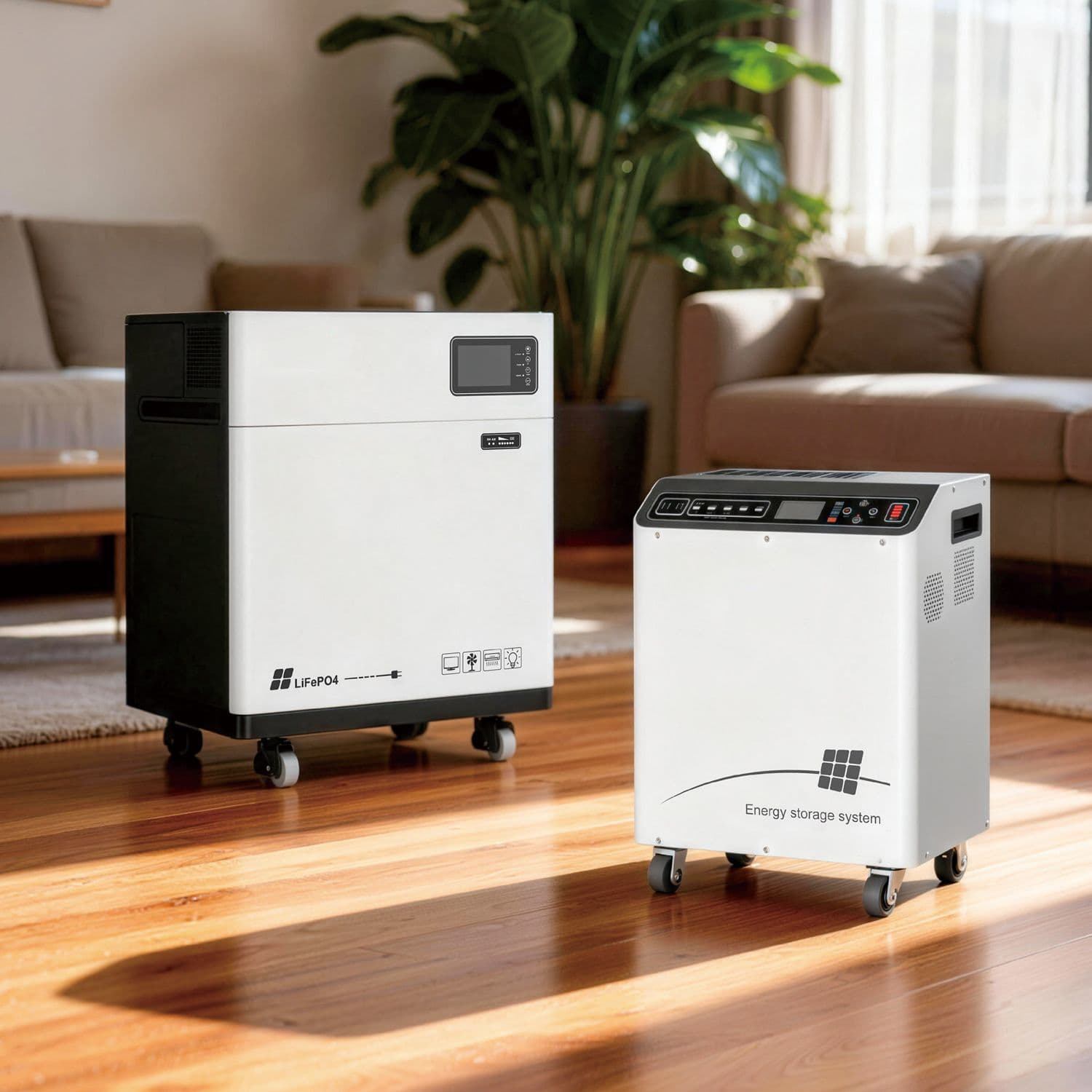
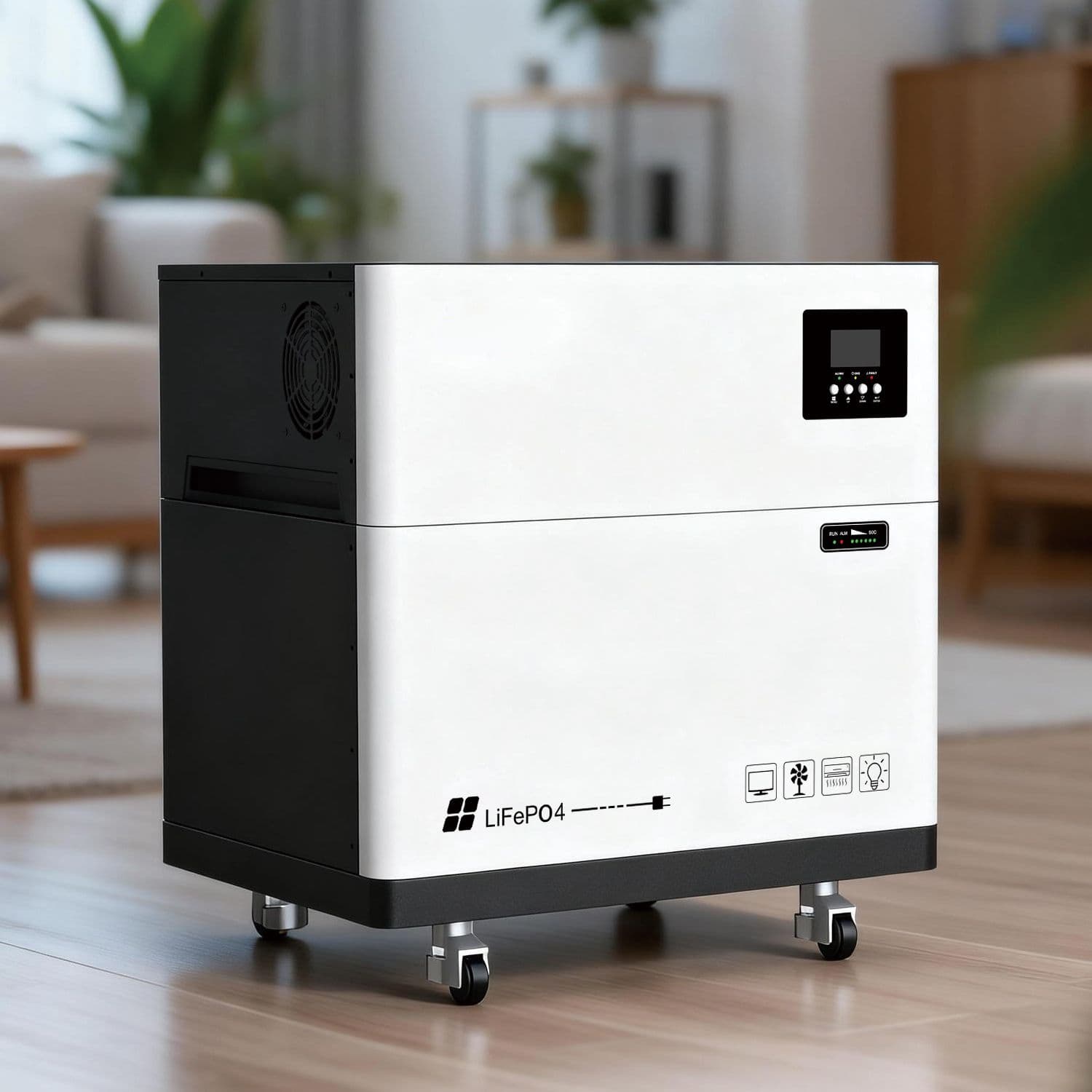
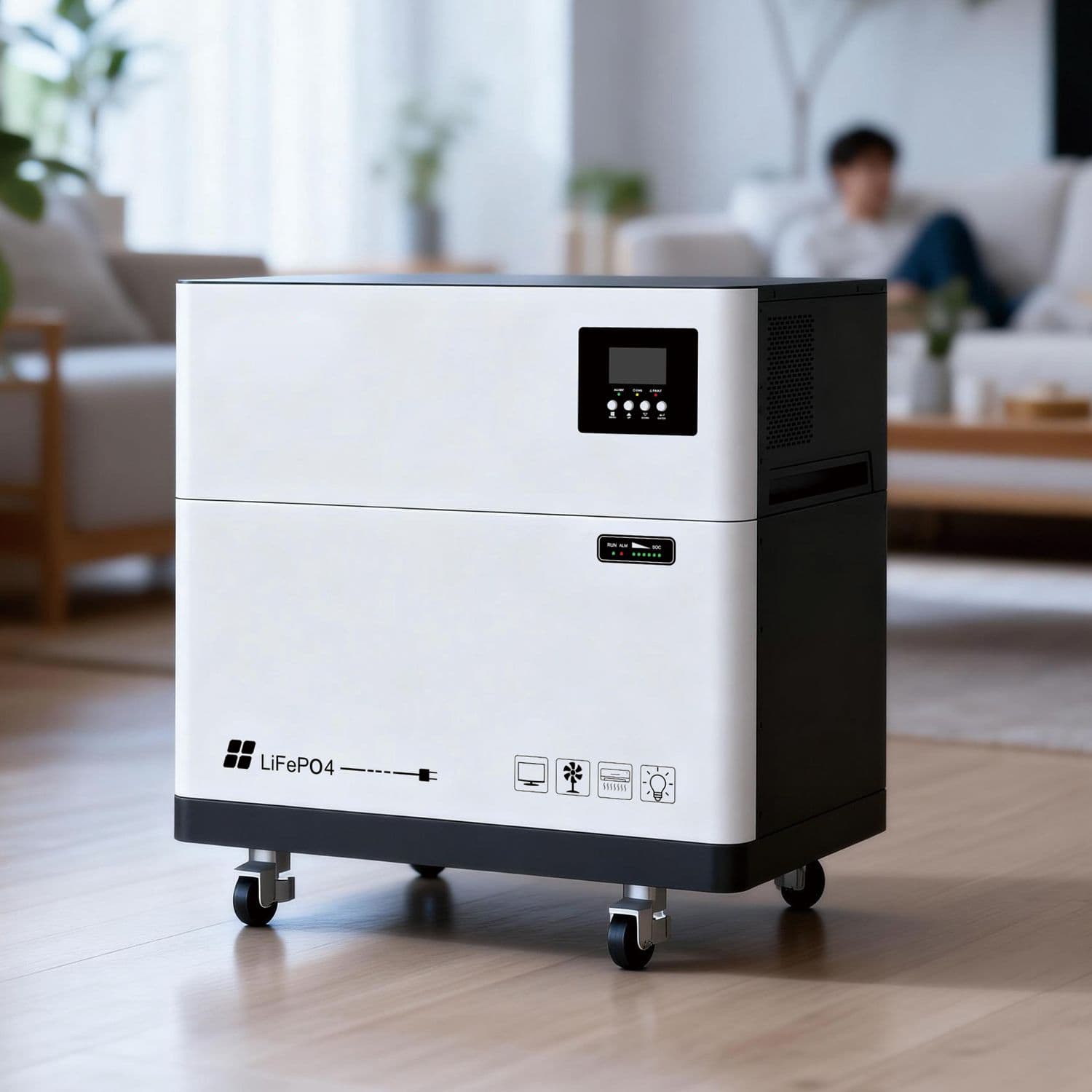
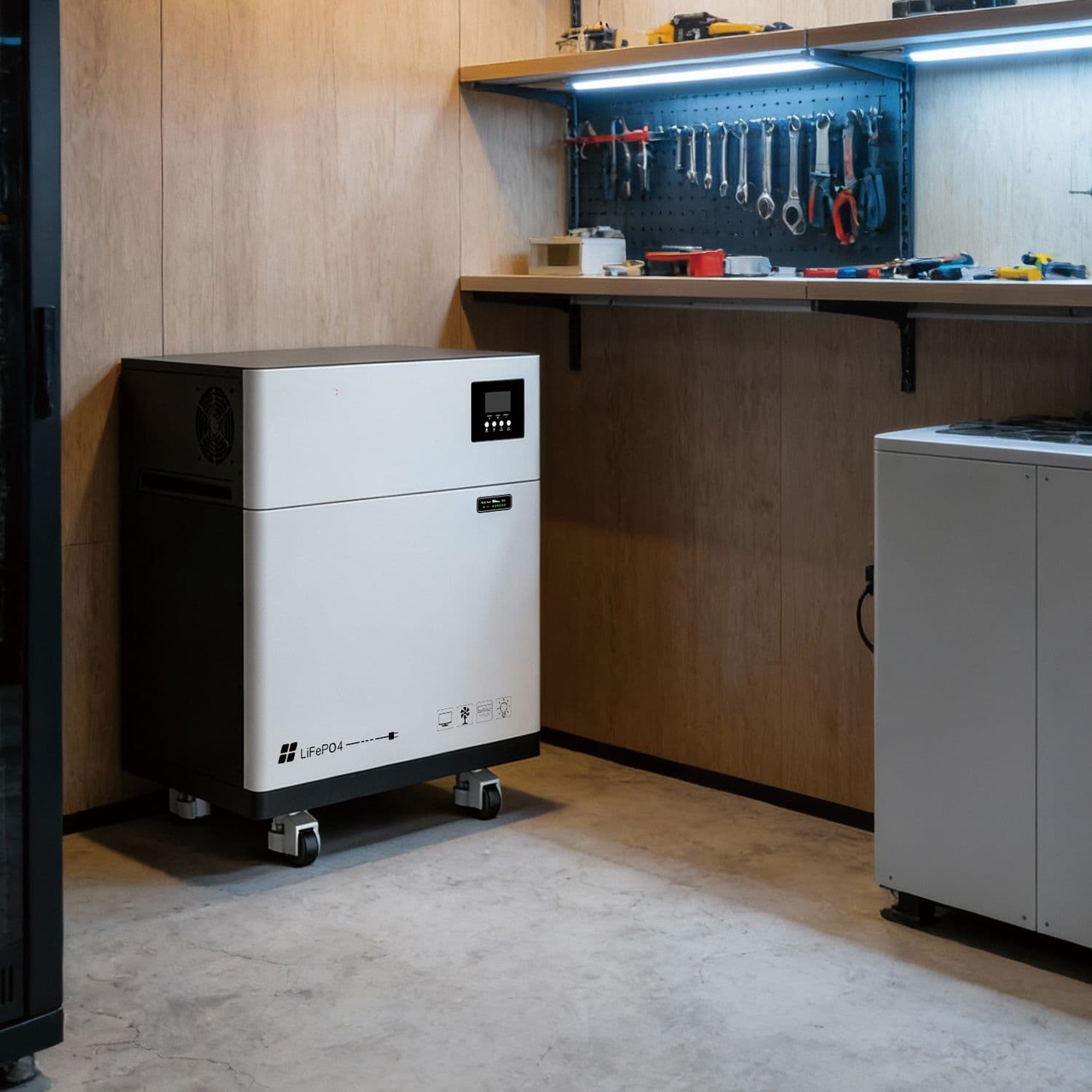
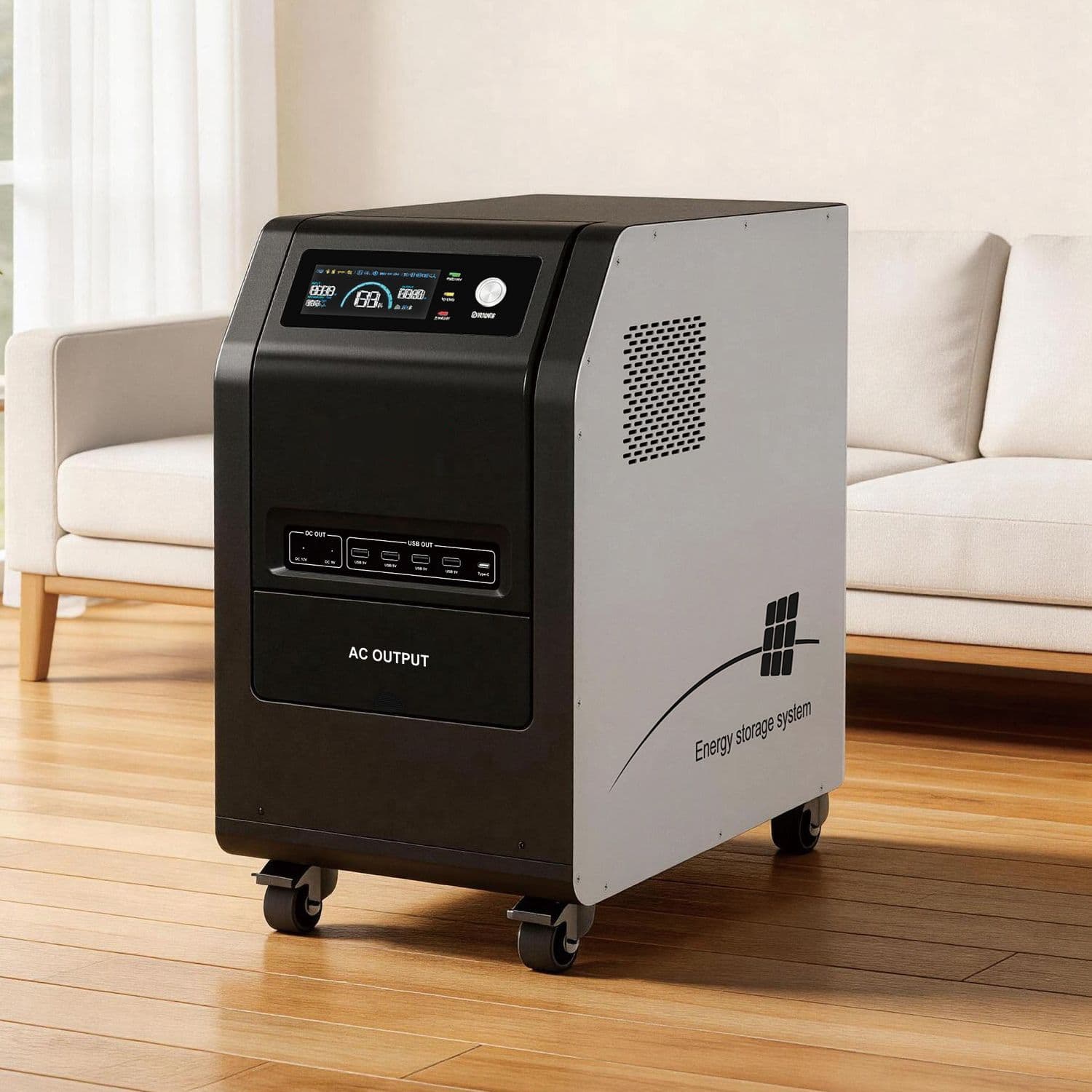
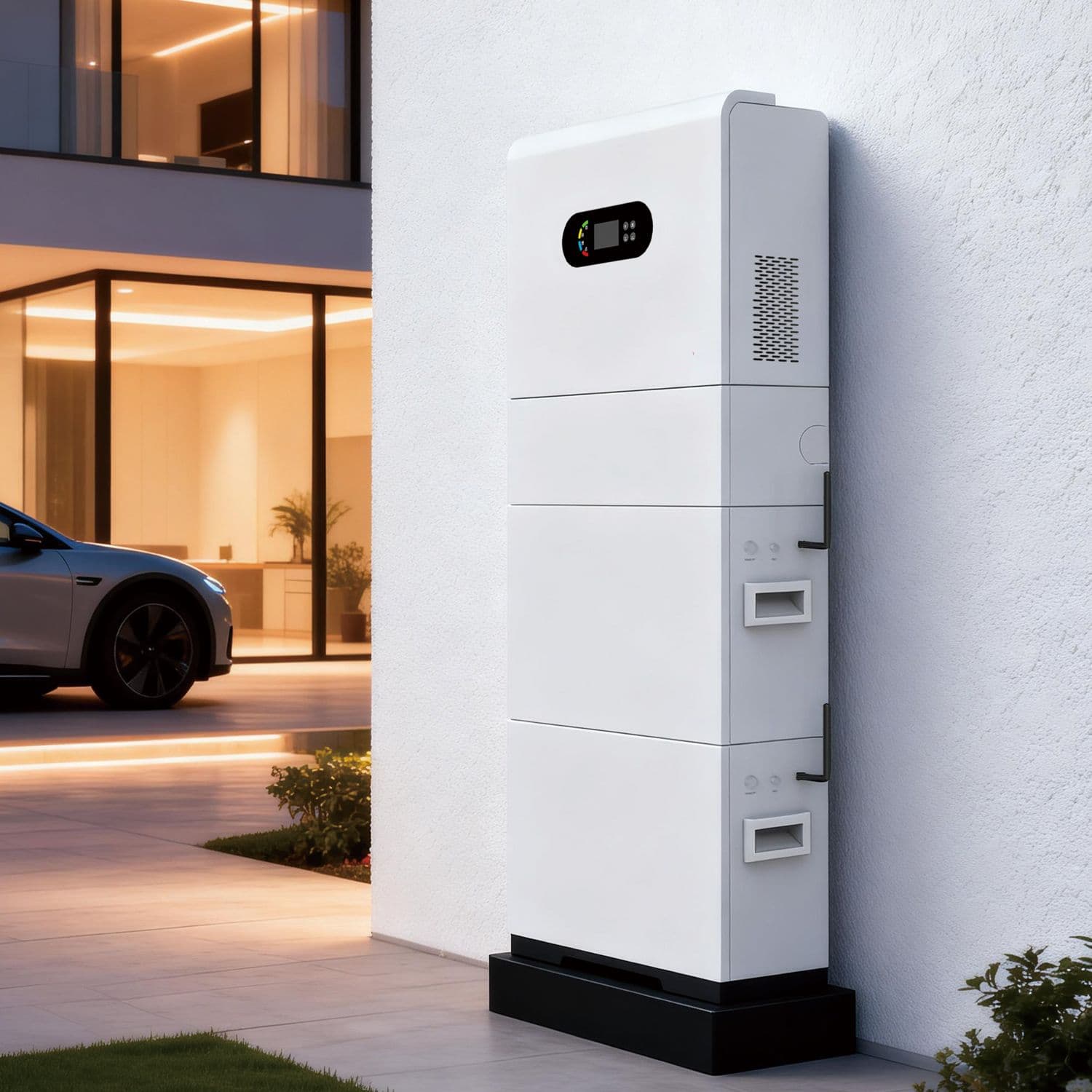
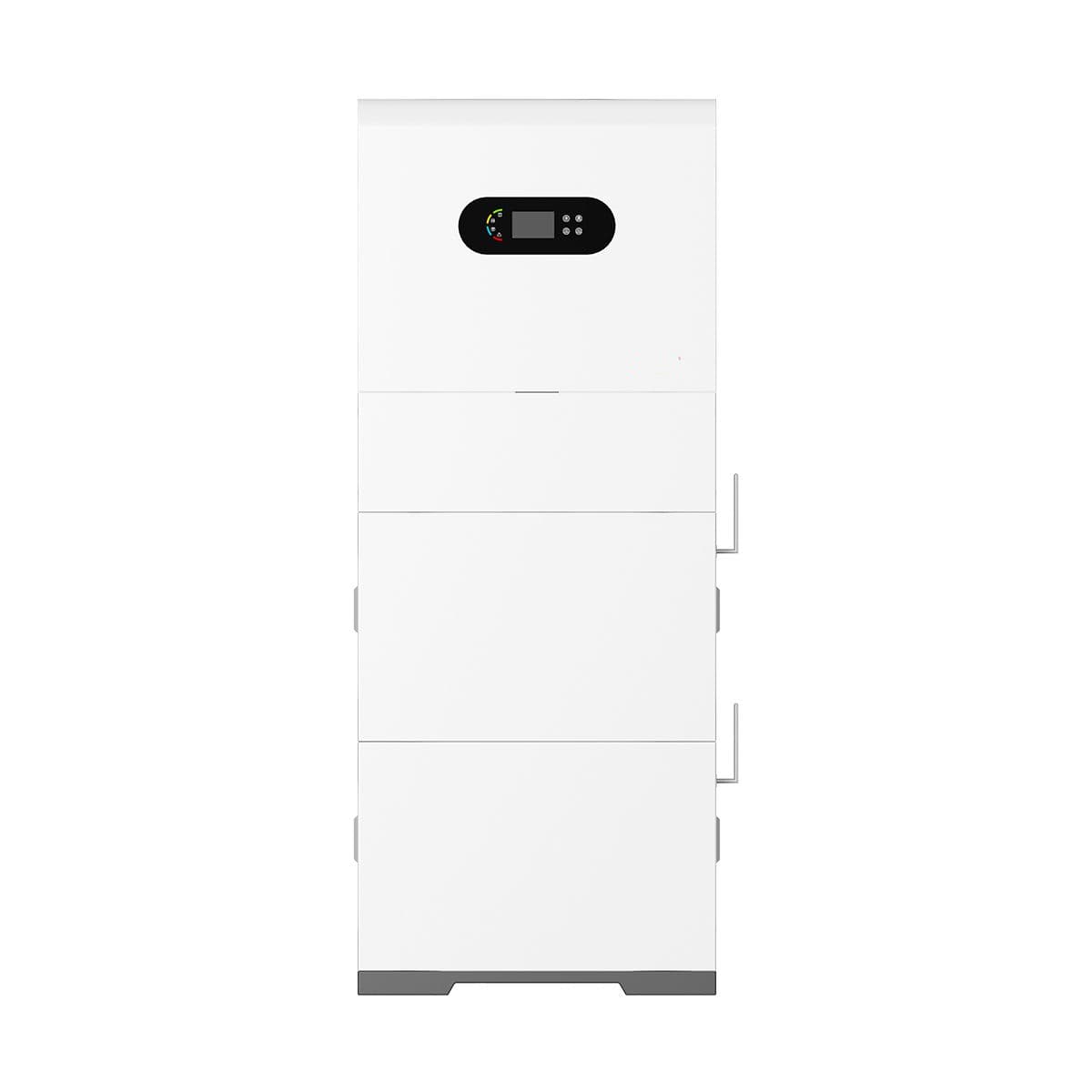
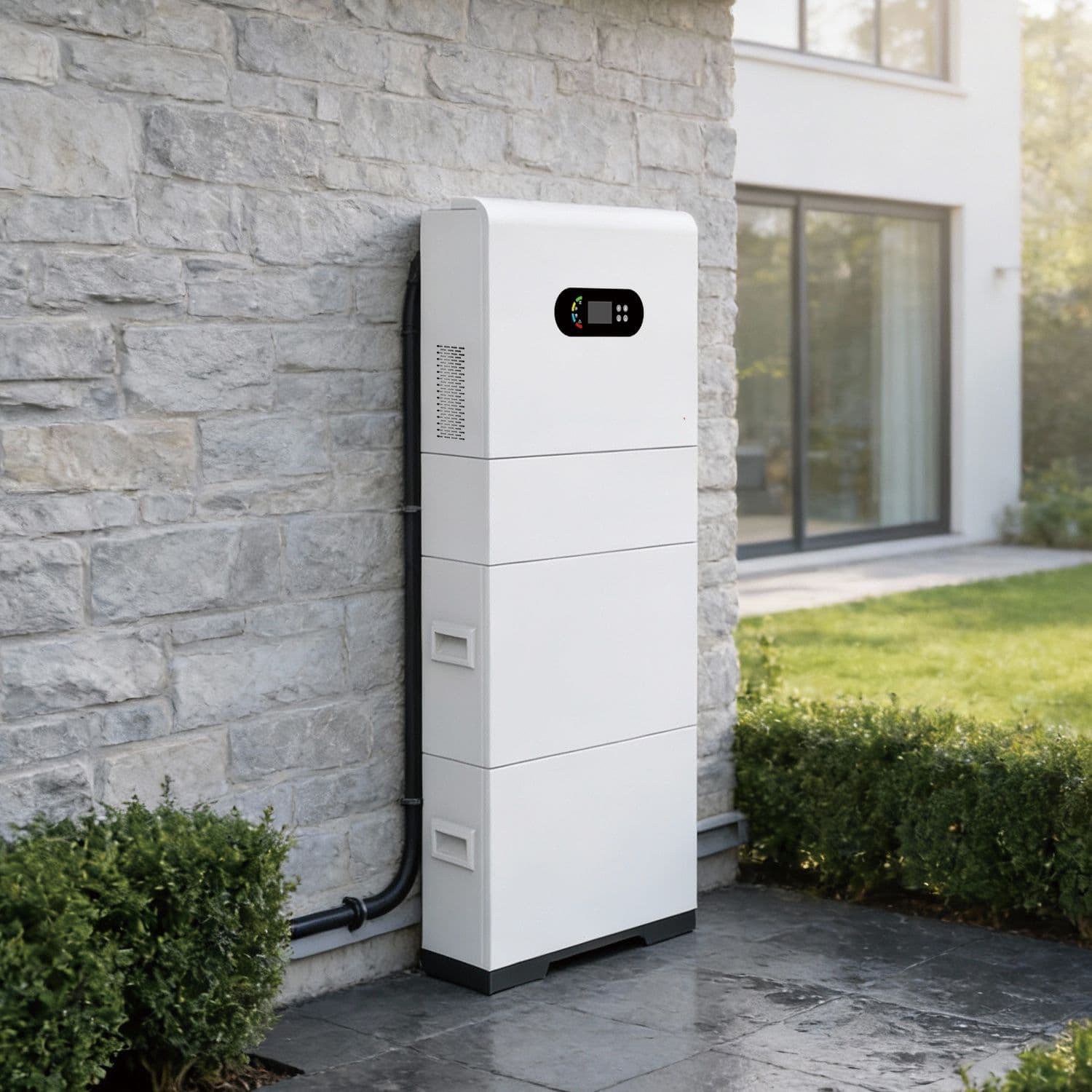
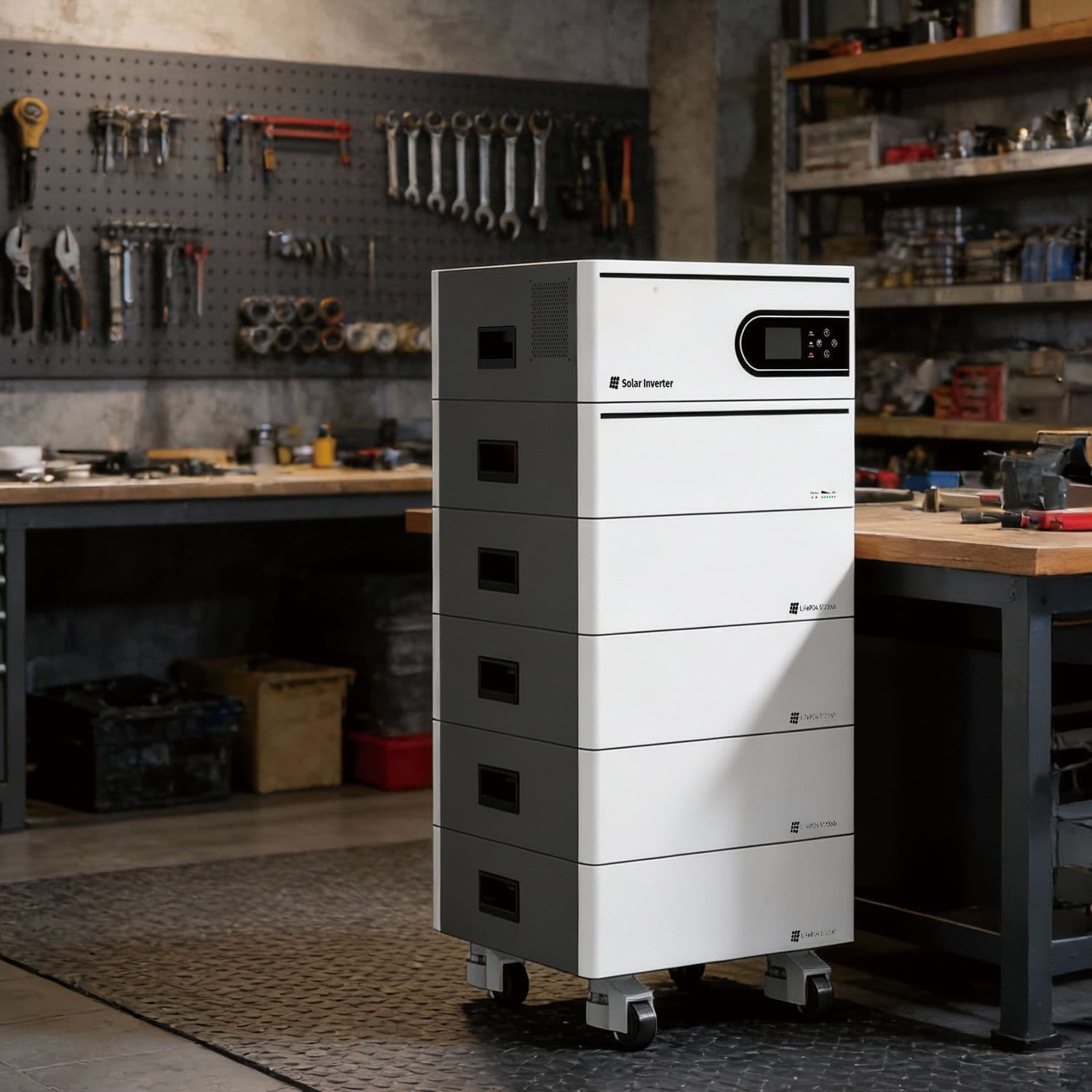
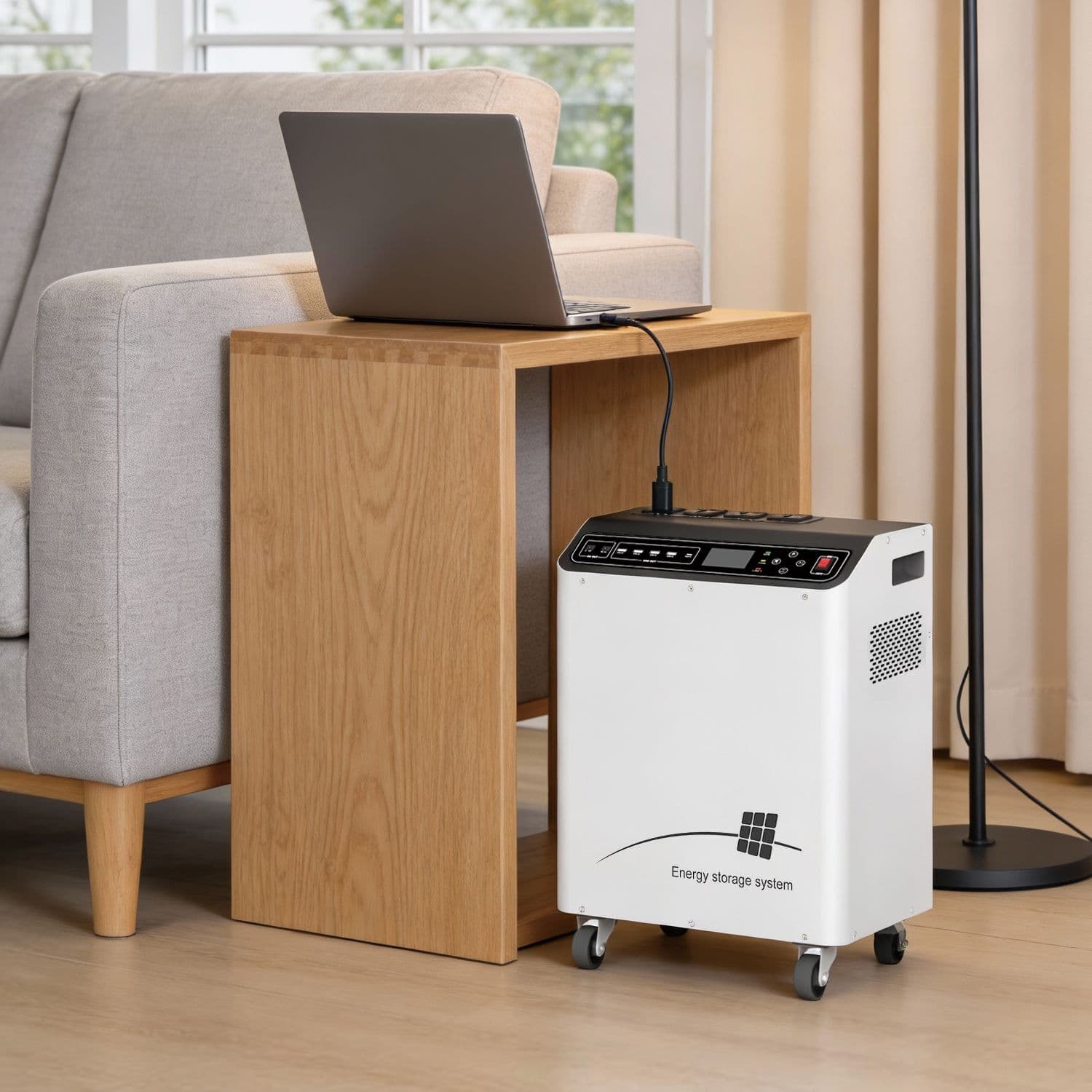
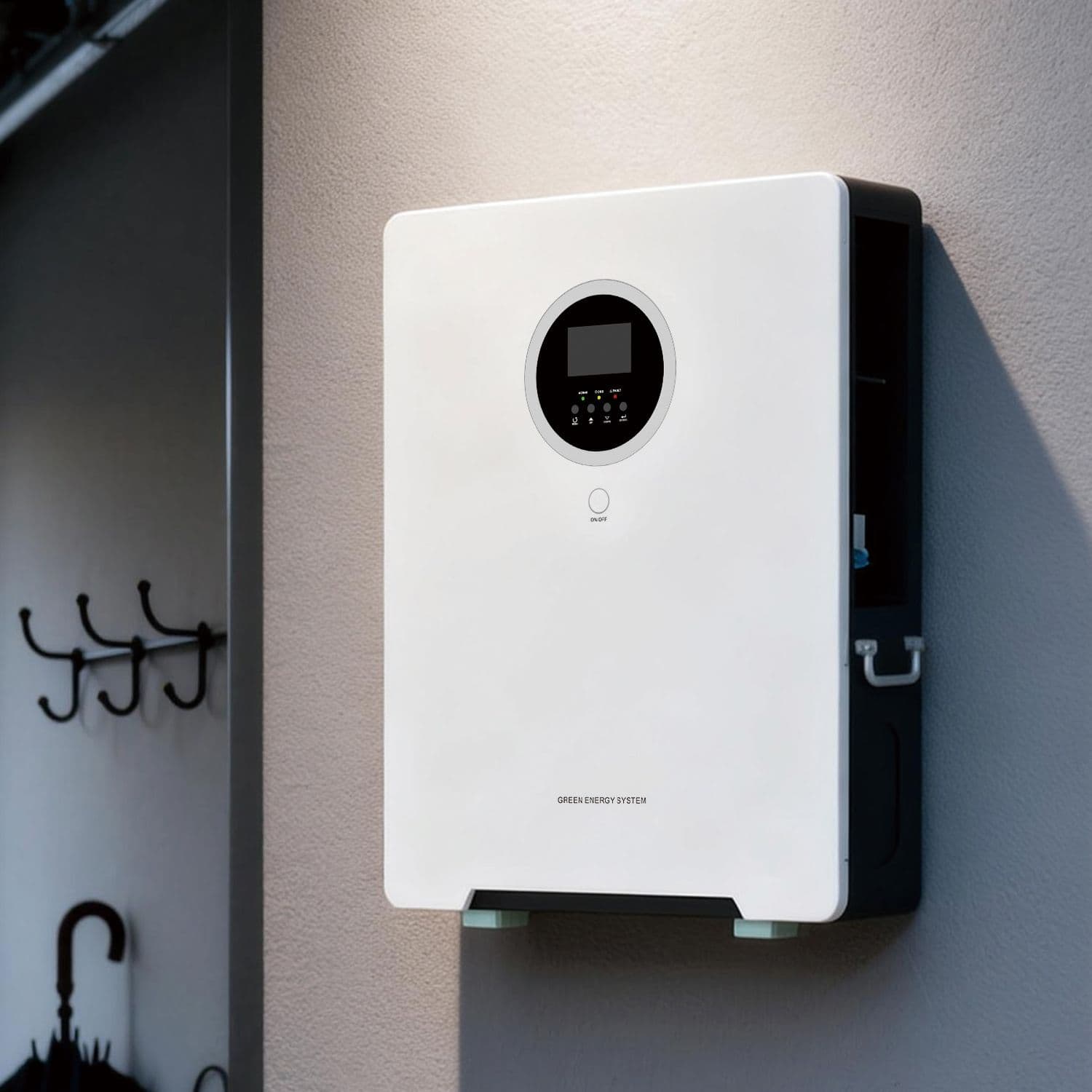
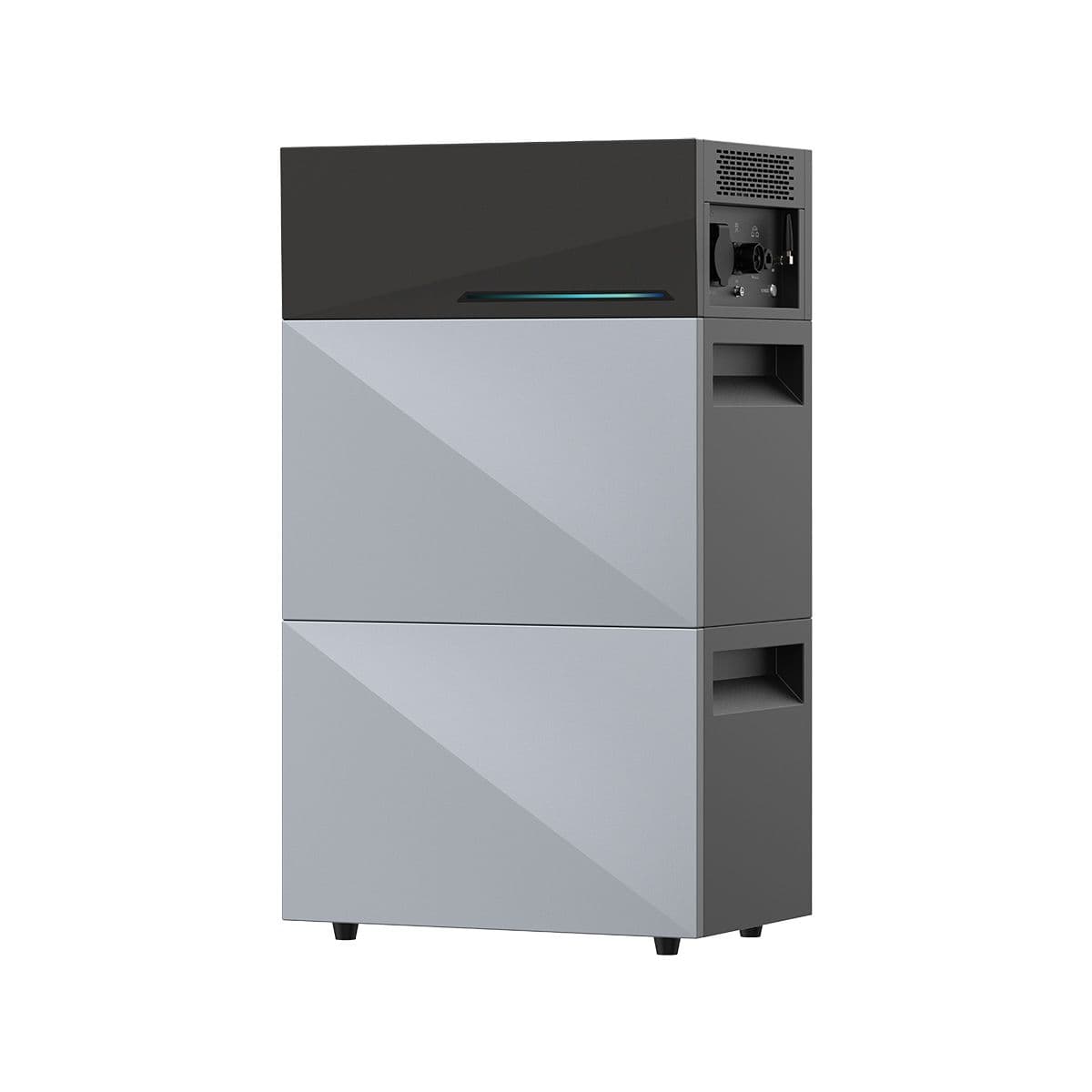
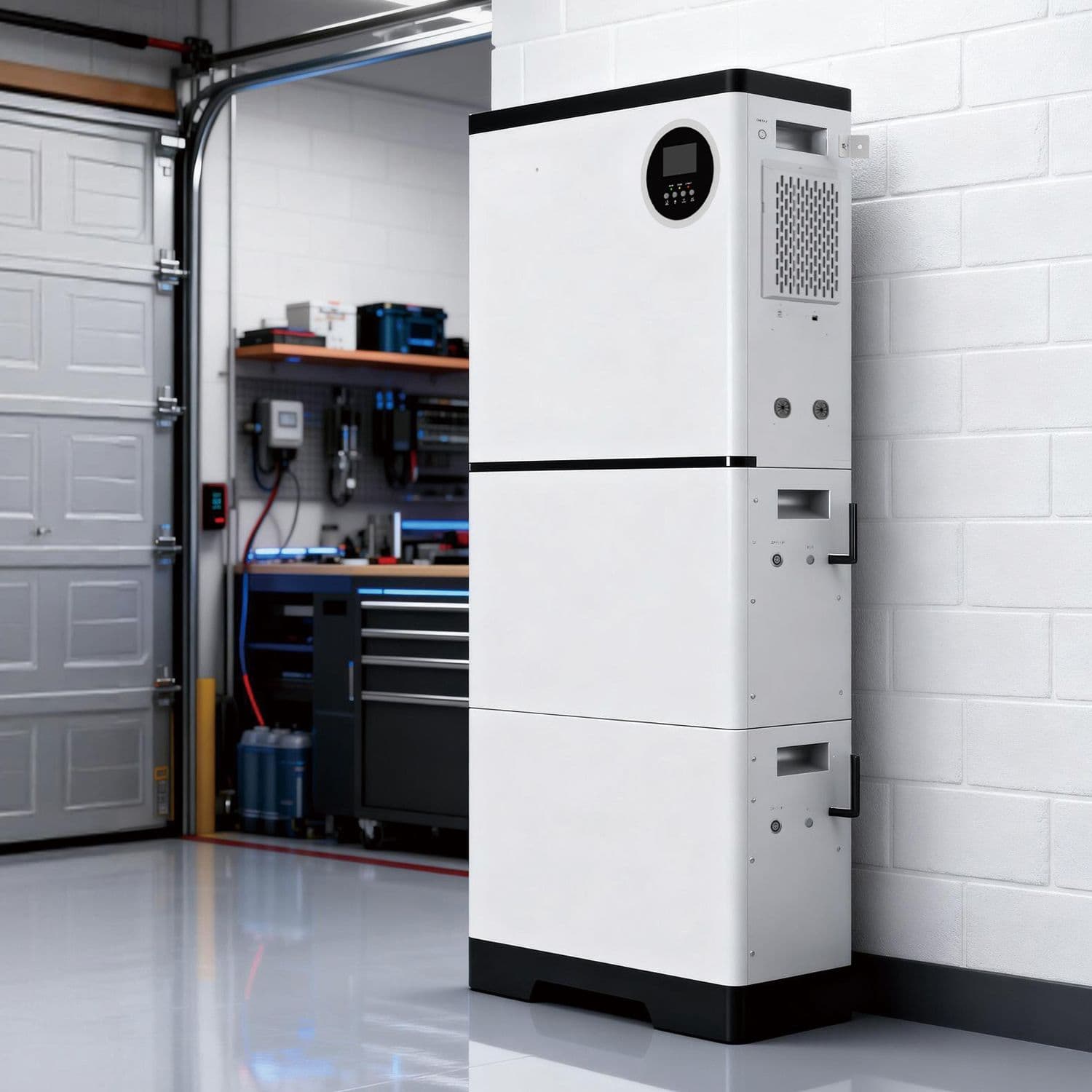
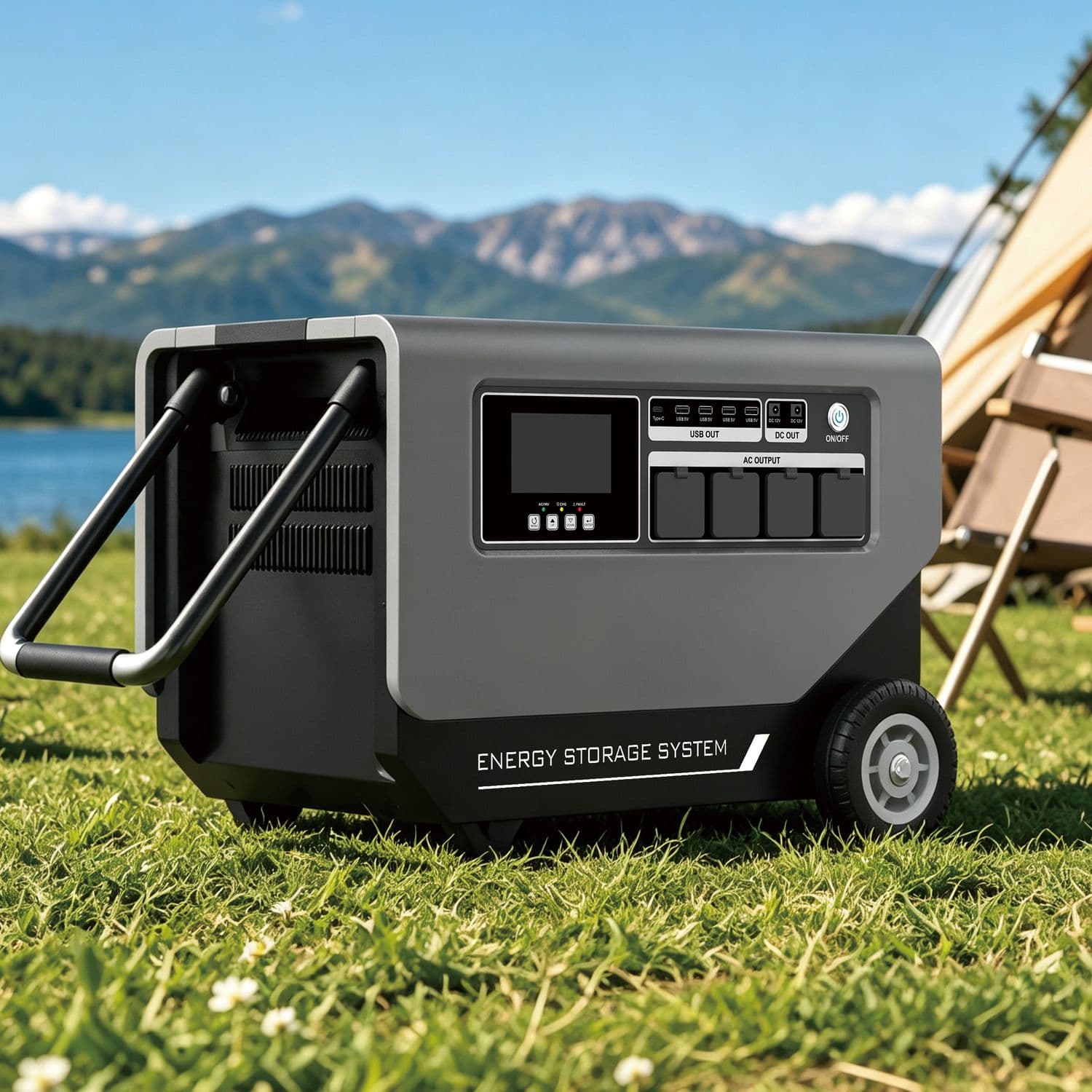
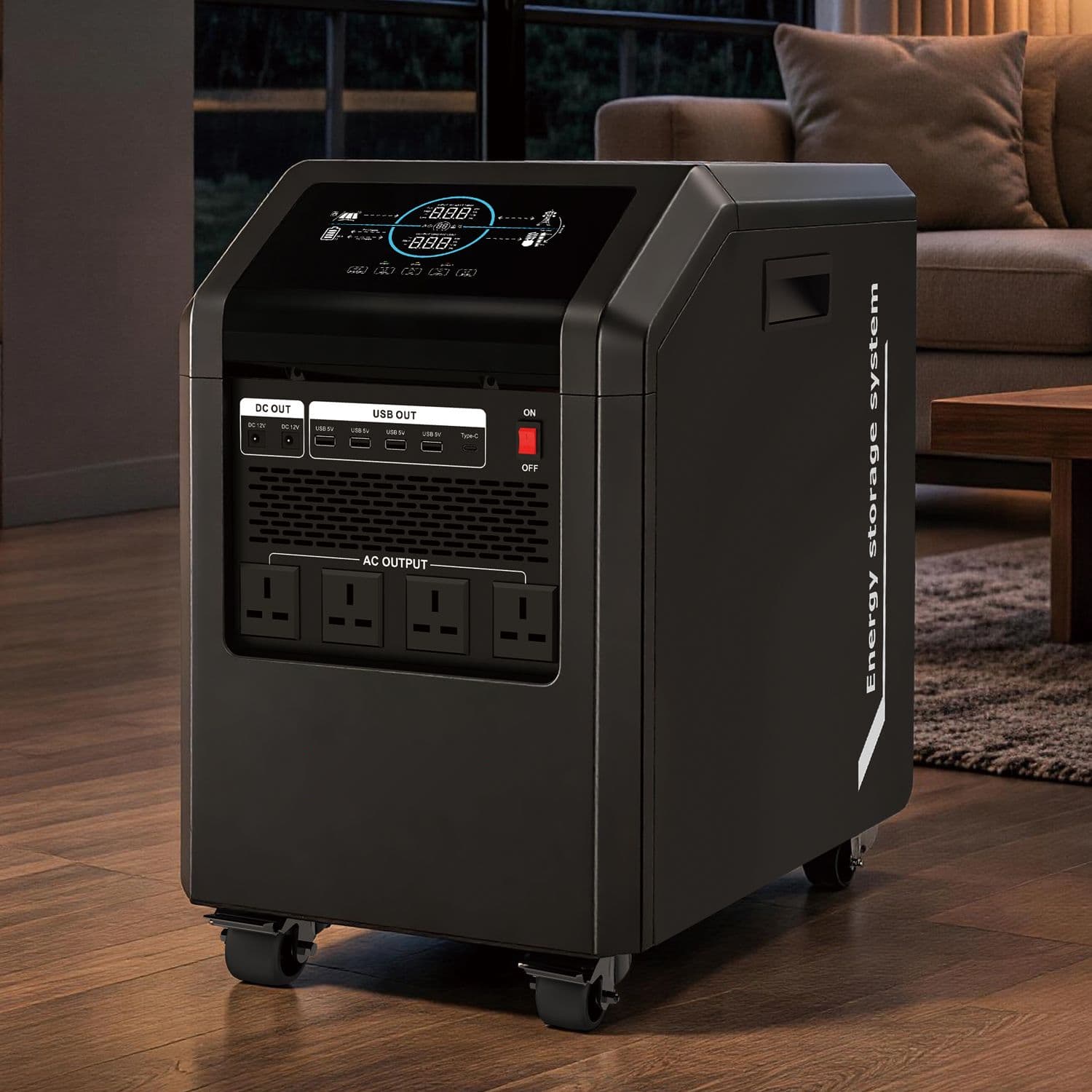
Choosing an all-in-one energy storage system
Three checks to turn a product comparison into a useful project enquiry.
Check what is integrated
Review the inverter, battery and charging functions included in the exact model. Confirm which additional components the proposed installation requires.
Compare power and capacity
Check inverter output and battery energy separately. Define simultaneous loads and operating time; the enclosure size alone does not establish either requirement.
Plan inputs and expansion
Review supported solar and AC inputs, supply phase and any documented expansion options. Confirm installation clearances and operating conditions for the site.