Commercial Energy Storage
Cabinet-scale battery energy storage systems for commercial and industrial sites — the largest tier in the range.
Compare power, energy and supply phase.
These six product families cover different configurations. Start with the exact model and operating role, then use the catalogue below to compare the full specifications.
On a small screen, scroll the table sideways. Keyboard users can focus the table area and use the arrow keys.
| Model or family | Published power | Battery energy | AC phase / voltage | Reference |
|---|---|---|---|---|
| ESP-5010 | 10 kW AC output | 51.2 kWh | Single phase | Source ↗ |
| ESP-4020 | 20 kW AC output | 40.8 kWh | Single phase | Source ↗ |
| ESG · 61.44 kWh family | 30 / 40 / 50 kW on-grid | 61.44 kWh | Three phase · 230/400 V | Source ↗ |
| ESG · 112.53 kWh family | 30 / 40 / 50 / 60 kW on-grid | 112.53 kWh | Three phase · 230/400 V | Source ↗ |
| ESG · 115.2 kWh family | 36 / 40 / 50 / 60 kW AC rated | 115.2 kWh | Three phase · 230/400 V | Source ↗ |
| ESG-E261 | 125 kW AC rated | 261 kWh | Three phase · 400 V | Source ↗ |
| ESG-M261 | 125 kW AC rated | 261 kWh | Three phase · 400 V | Source ↗ |
A higher kW rating does not always mean more stored energy. The manufacturer lists ESP-5010 at 10 kW / 51.2 kWh and ESP-4020 at 20 kW / 40.8 kWh. Confirm the supplied configuration; nominal energy does not establish usable energy or runtime.
Matching headline ratings does not make two systems interchangeable. ESG-E261 and ESG-M261 both list 125 kW / 261 kWh. Review their documented components, options, environmental limits and site requirements separately.
6 product families to explore
Find your model, compare the published specifications, and discuss the right configuration for your project.
6 of 6 models shown. Select up to three to compare.
Your shortlist stays in this tab while you explore product pages.
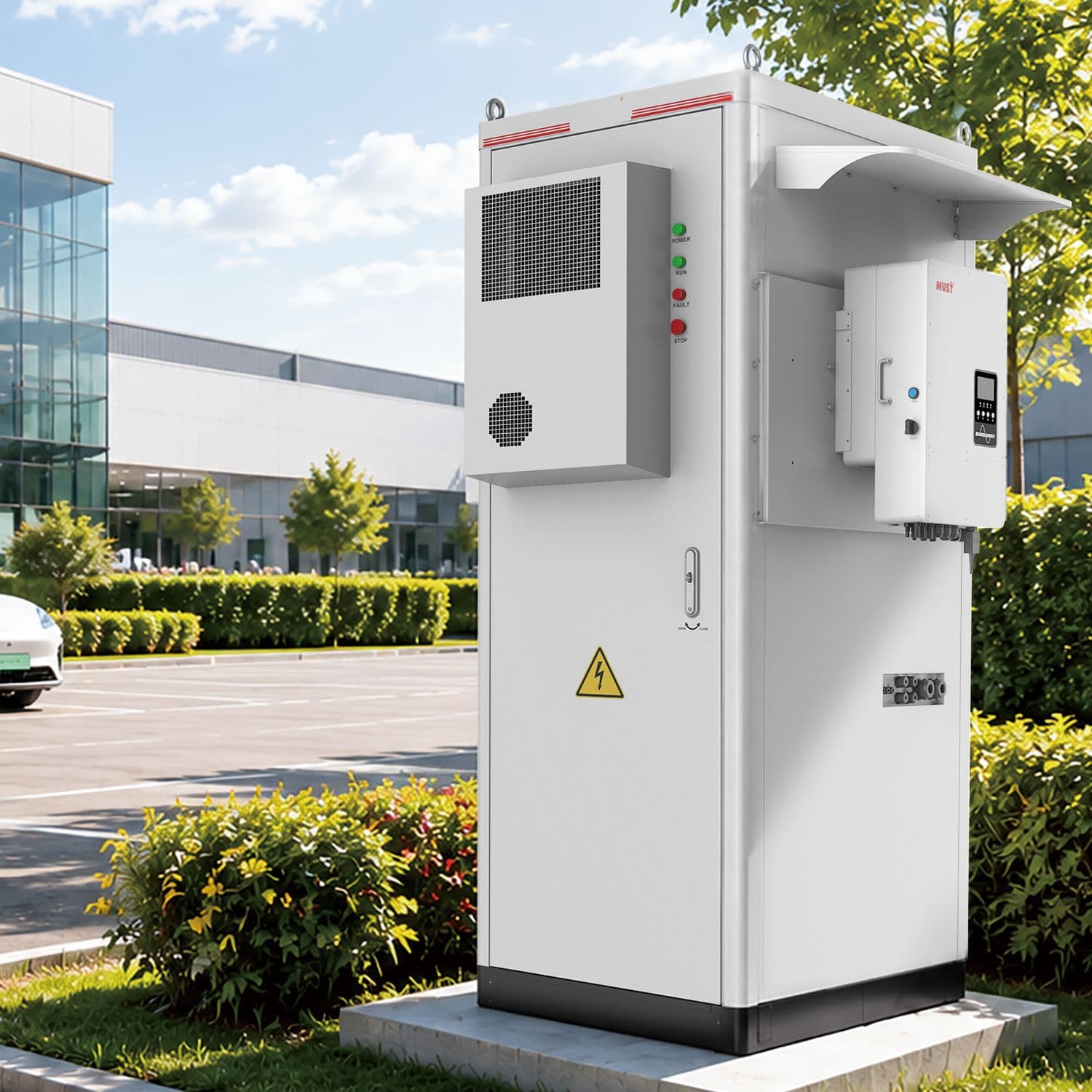
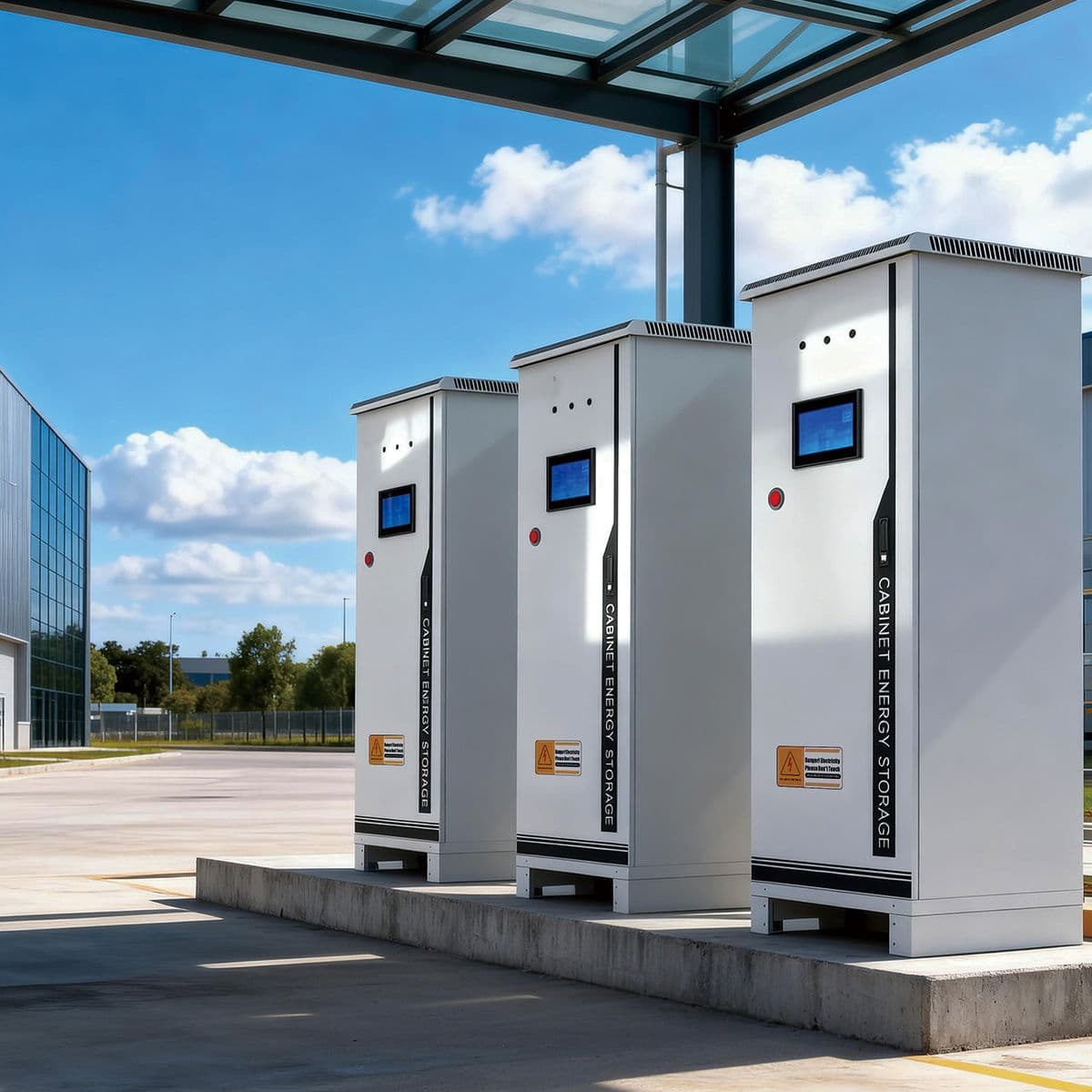
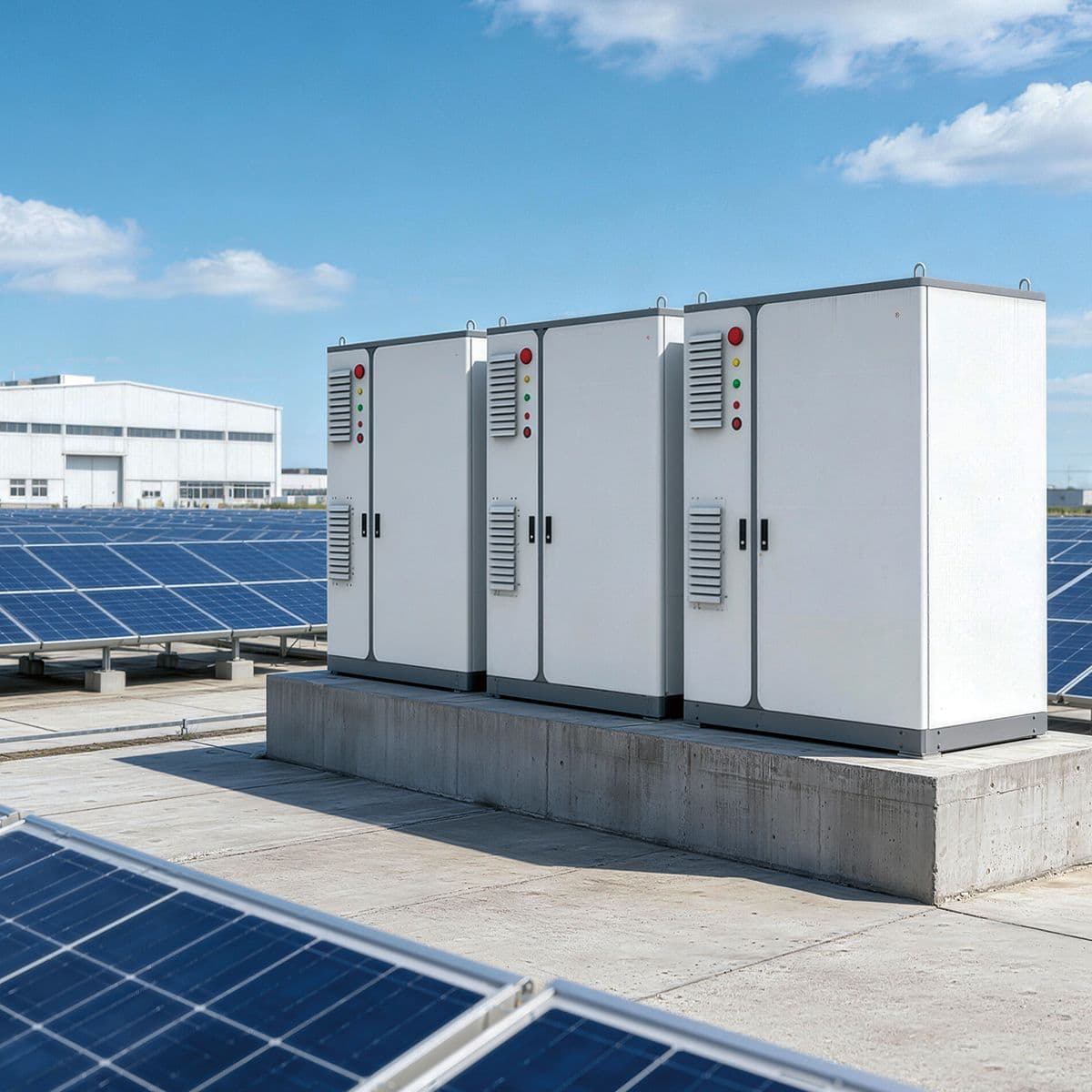
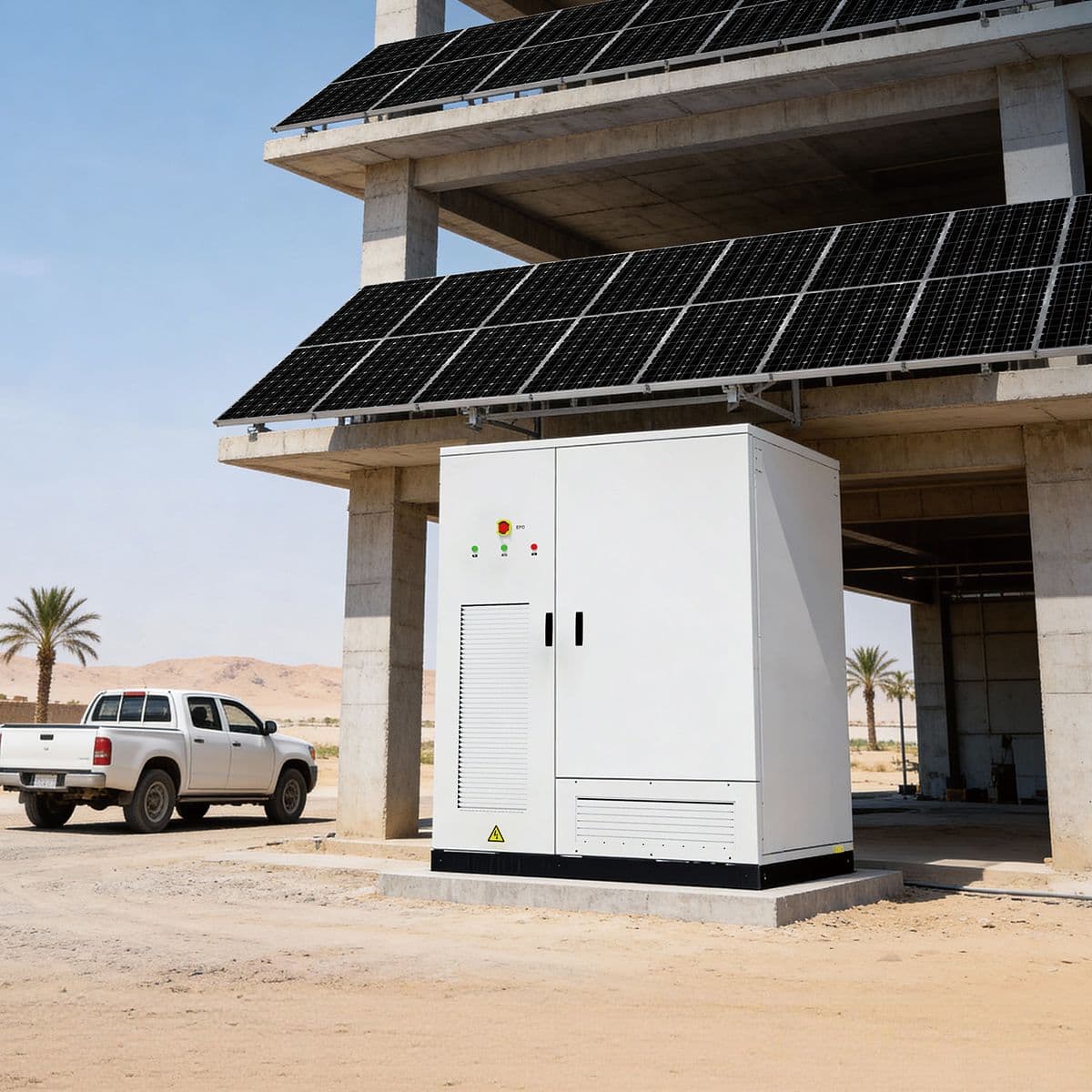
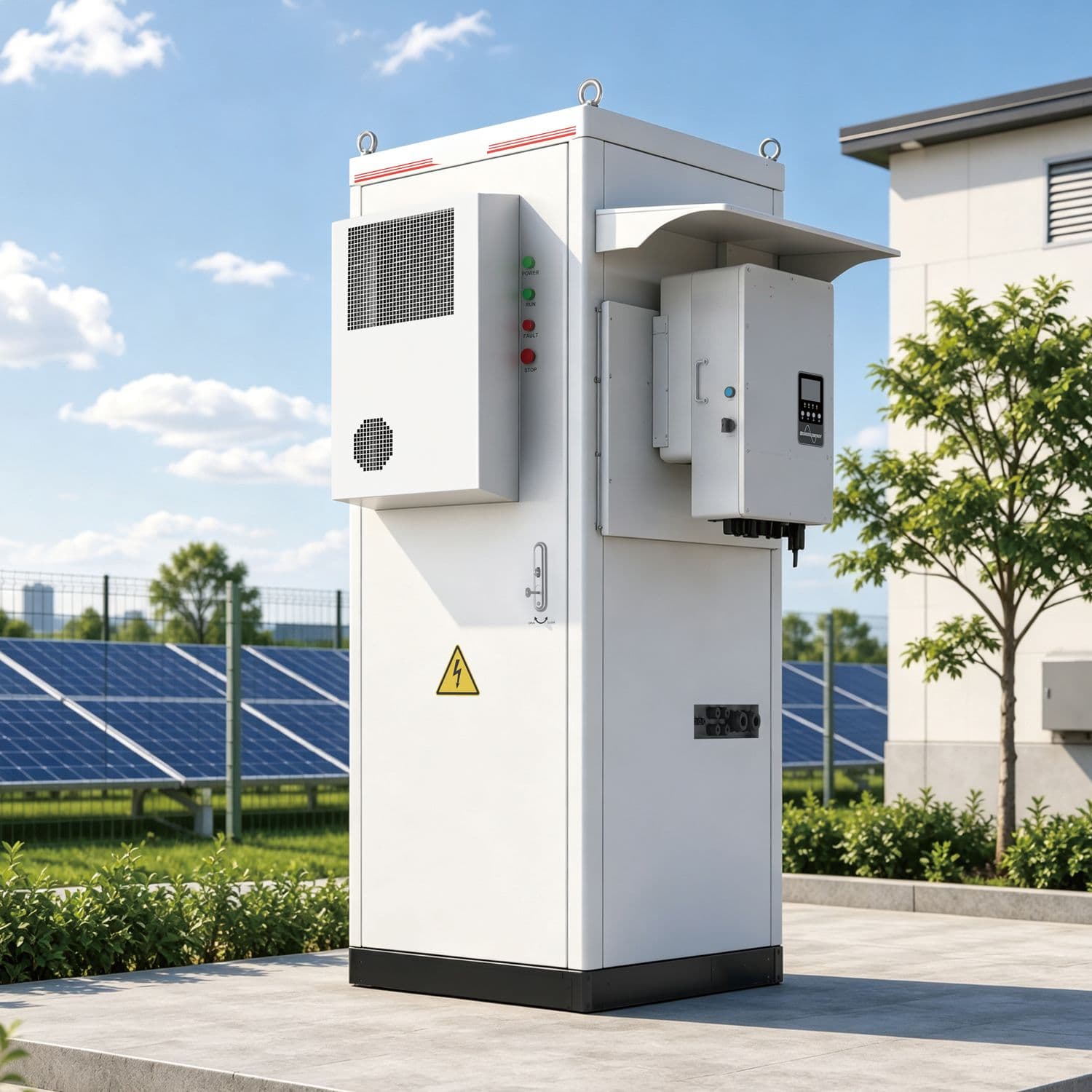
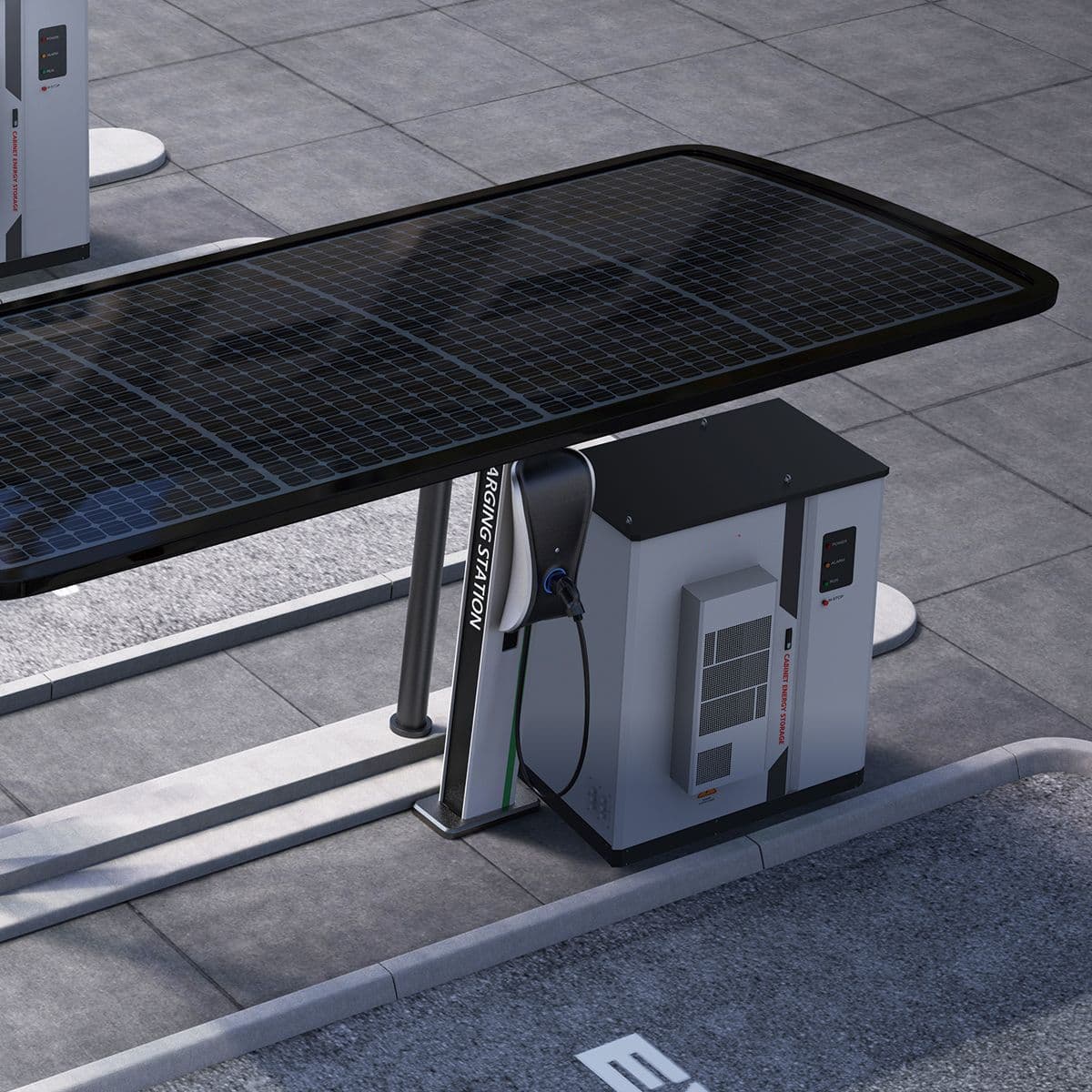
Choosing commercial battery energy storage
Three checks to turn a product comparison into a useful project enquiry.
Define the operating objective
Describe the load profile and intended role of storage: backup, energy shifting or another project requirement. Check which functions the proposed system supports.
Size power and energy separately
Specify peak power in kW and required stored energy in kWh. Review usable capacity and operating limits against the actual load schedule.
Review site integration
Bring supply details, available space and control requirements. A qualified designer should verify the electrical connection, protection and installation requirements.