The starting point
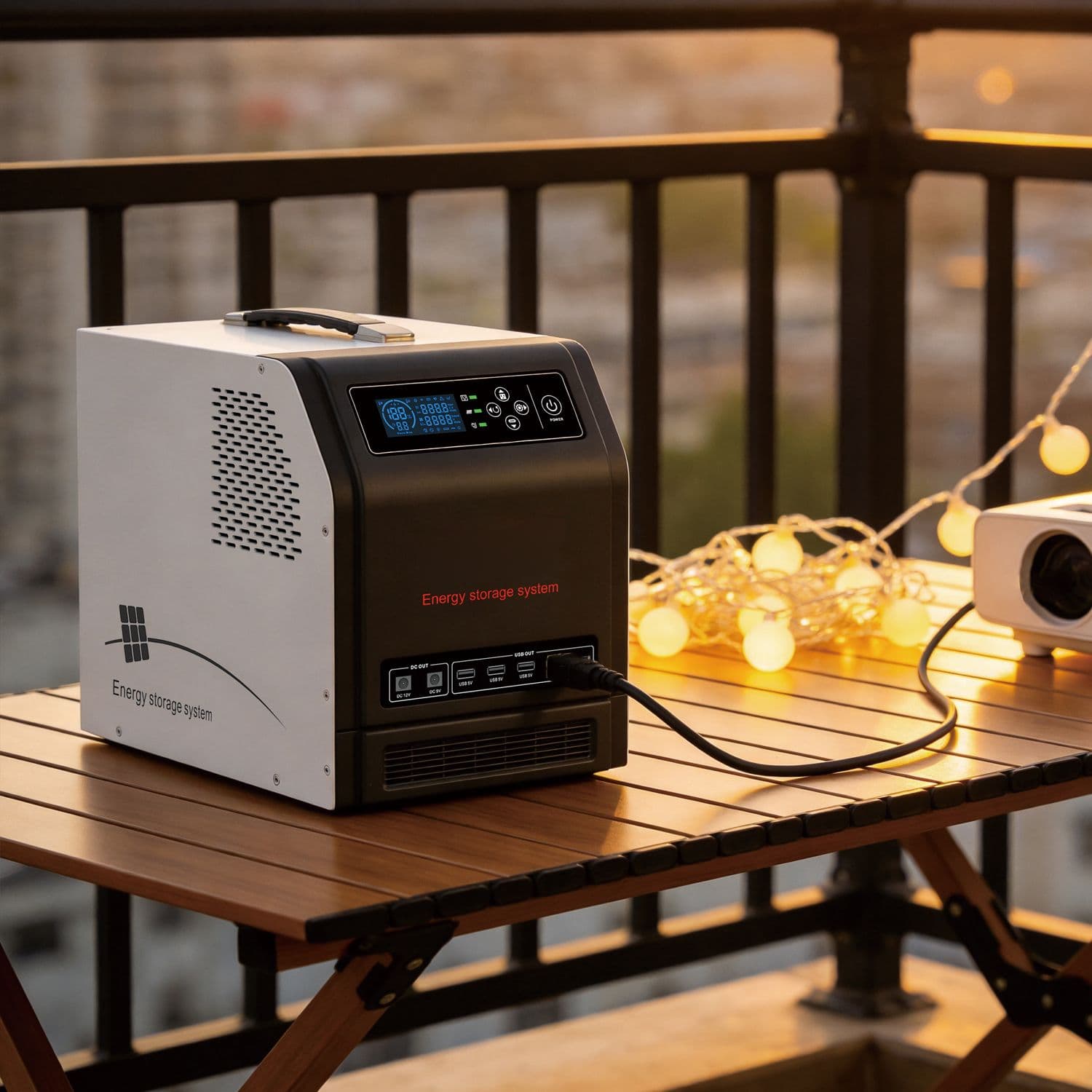
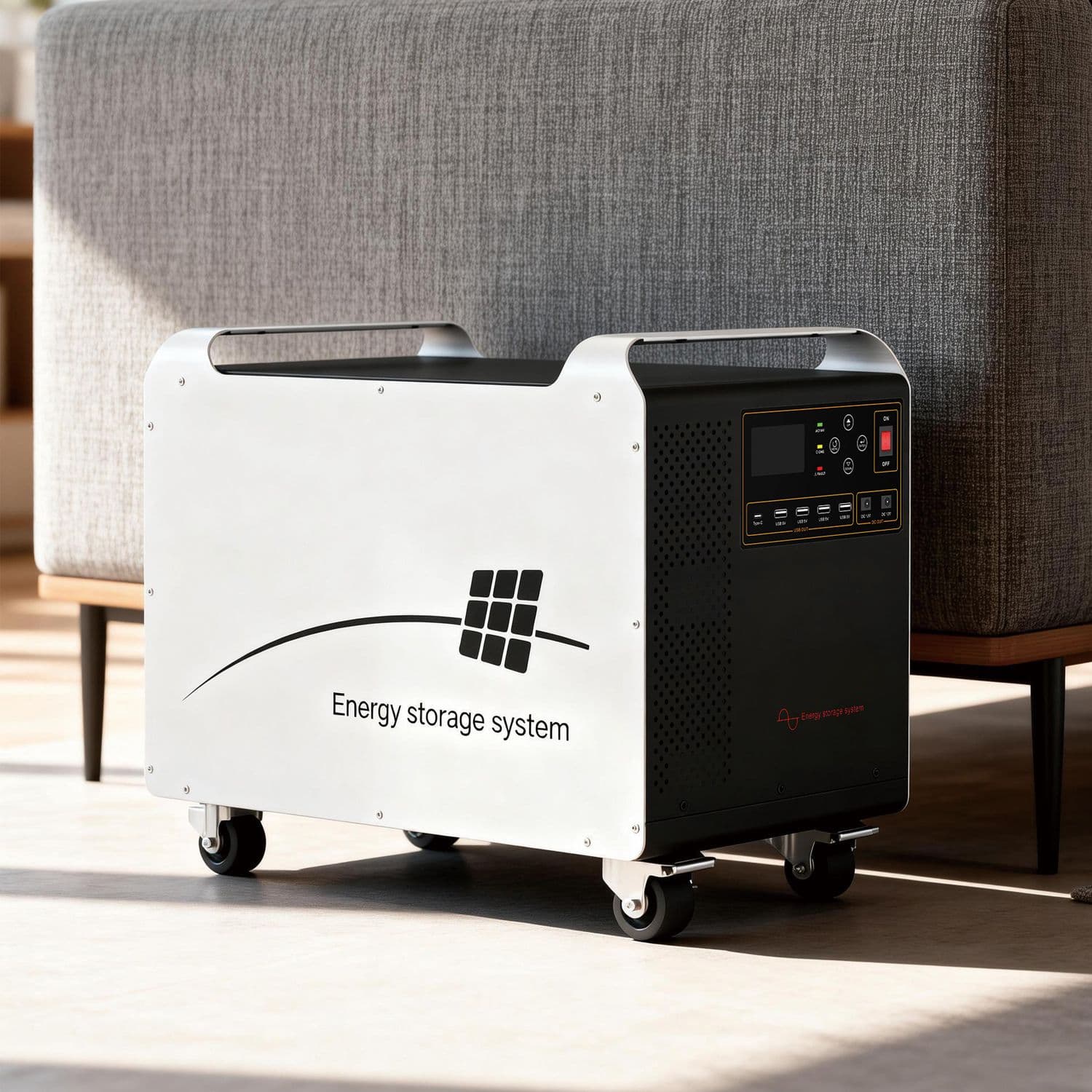
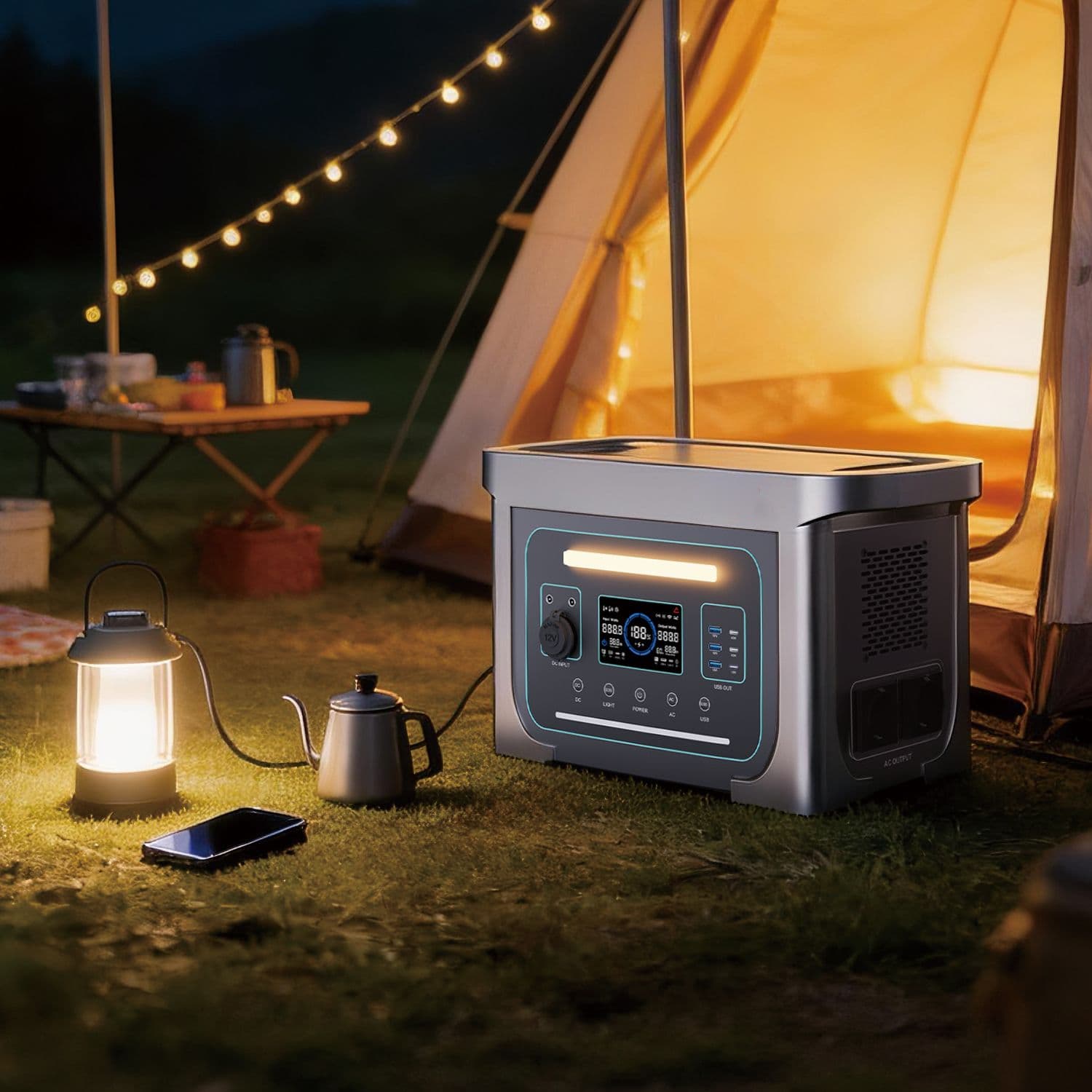
Portable power stations combine stored energy and power outputs in a movable enclosure. They can be a starting point for temporary or mobile equipment needs, but the product must still match the actual devices. Review the continuous output, stored energy, output connections and charging options as separate requirements.
What to compare before choosing.
Match the output to the devices
List the devices you intend to run together and check their continuous and starting requirements against the station's rated outputs. A station's stored energy in Wh does not establish the power it can deliver at once.
Consider the full working day
Capacity, usable energy and device consumption affect operating time. Also consider when and how the station can recharge. Compare the published charging inputs and supported limits for each model; do not assume every unit accepts the same solar input.
Check where it will be used
Consider weight, portability, output connections and the stated operating environment. A portable enclosure does not by itself mean outdoor weather protection. Check the product's specified conditions and any requirements for critical or continuous loads.
Check the AC voltage for Dubai
DEWA lists Dubai's nominal supply as 230V at 50Hz. This catalog also contains HBP1800 OLV and HBP1500 LV variants specified for 120V AC output. Check the exact station's AC output and charging input against the site and connected devices; capacity alone does not establish electrical suitability.
Find the right family to explore.
Use these categories to compare model specifications. They are not a pre-configured or verified compatible equipment package.
Before you shortlist.
What should I compare first: watts or watt-hours?+
Check both. Watts relate to the output power needed by the devices; watt-hours relate to stored energy. A suitable brief includes the connected load and desired operating time.
Will every portable station in the catalog work with a Dubai 230V site?+
No. Some catalog series specify 120V AC output, while DEWA lists Dubai's nominal supply as 230V at 50Hz. Check the exact model's output, charging input, frequency and device requirements with Toyama before choosing. A product page in the catalog is not a compatibility or availability guarantee.
Is matching solar panel wattage enough?+
No. Check the exact station's maximum PV power, MPPT operating voltage range, maximum open-circuit voltage and applicable current limits. Send the panel label, quantity and connector details with your enquiry. Similar battery capacities do not establish the same charging compatibility.
Is a portable power station a confirmed backup solution for sensitive equipment?+
That depends on the model and the equipment. Confirm transfer behavior, output specifications and operating requirements before using it for an application that cannot tolerate interruption.
Understand the ratings before you shortlist.
Use these explanations to compare specifications and prepare the questions for your equipment enquiry.
Further reading: DEWA: regulations for electrical installations, supply voltage. External references explain general concepts; they do not establish compatibility or affiliation with Toyama.