The starting point
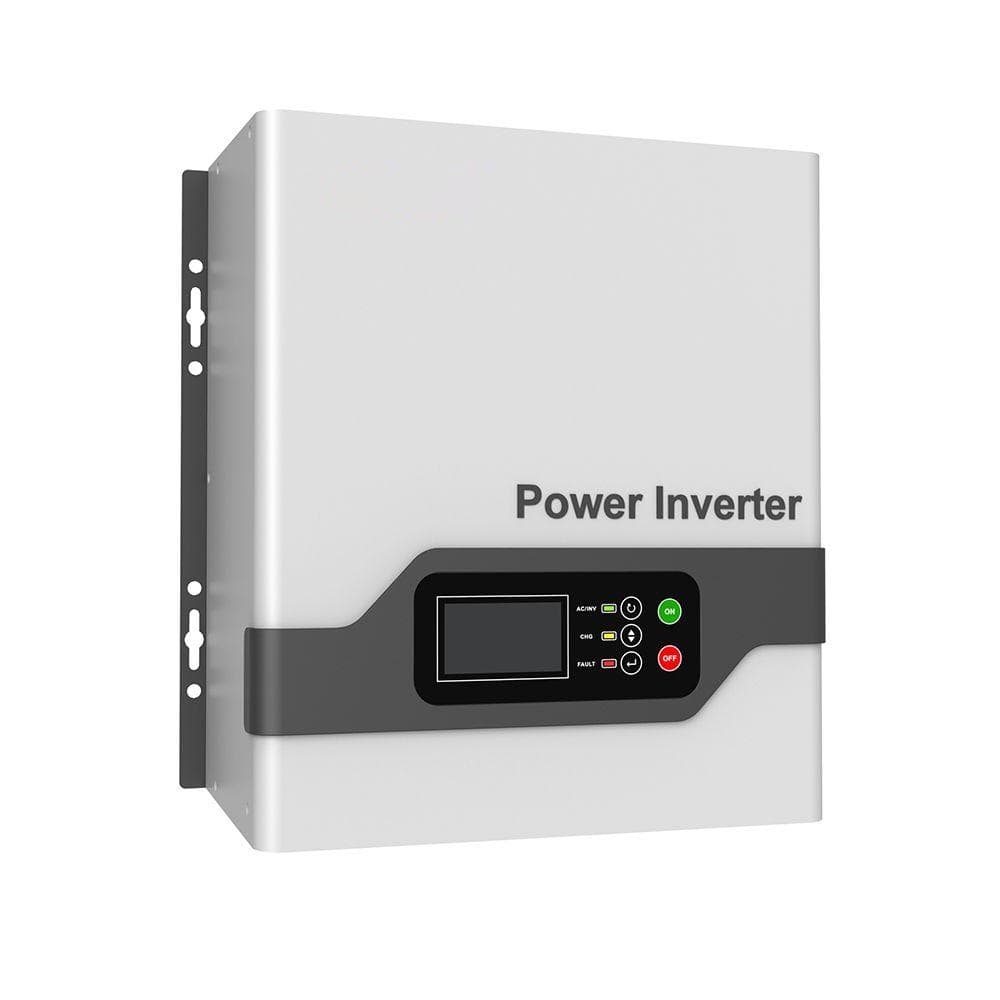
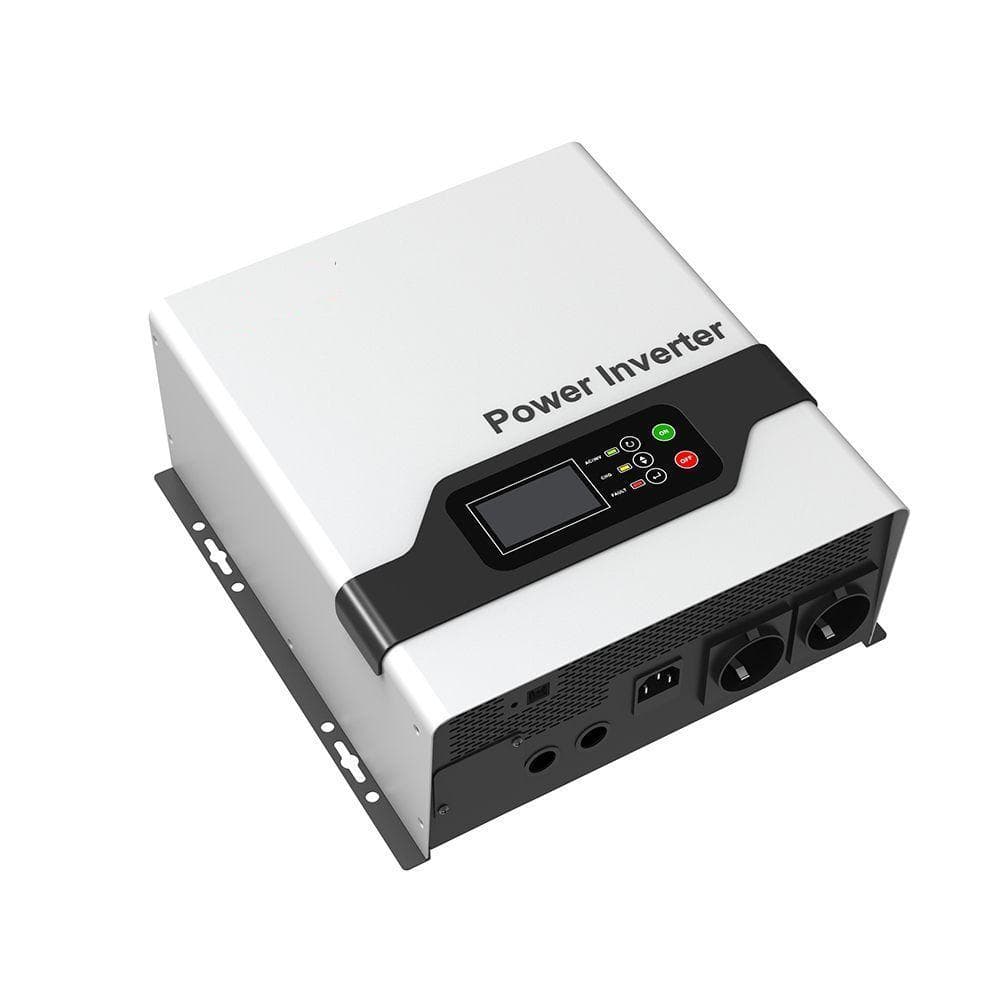
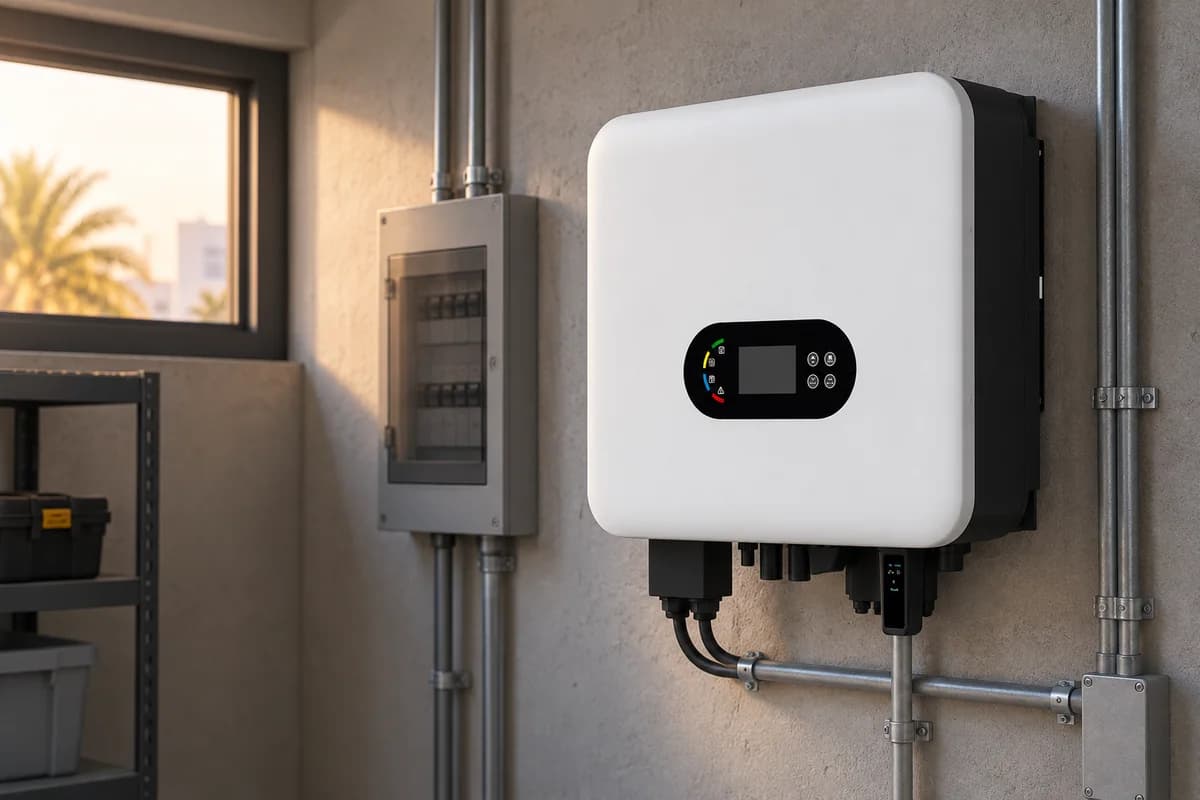
An off-grid project starts with the loads rather than a panel count. Record what will operate together, which devices have starting surges, and how long the site must run between charging opportunities. That brief helps distinguish an inverter/charger, a solar inverter with integrated charging, and a system using a separate solar charge controller.
What to compare before choosing.
Record the load pattern
A list of appliance ratings is useful, but timing matters too. Identify simultaneous loads, operating hours and any motor or compressor starting requirements. The total daily energy and peak power describe different constraints and should both be reviewed.
Understand the charging architecture
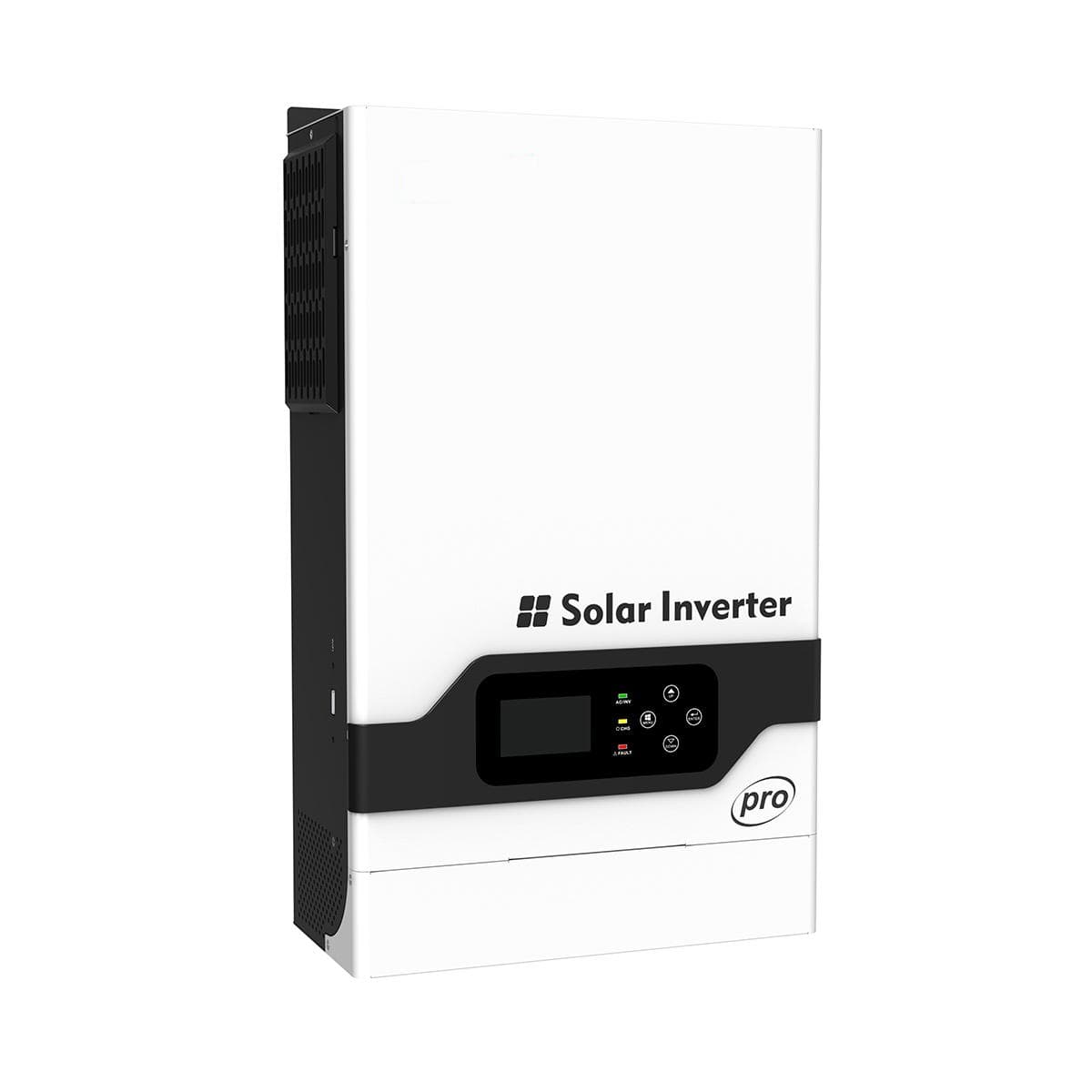
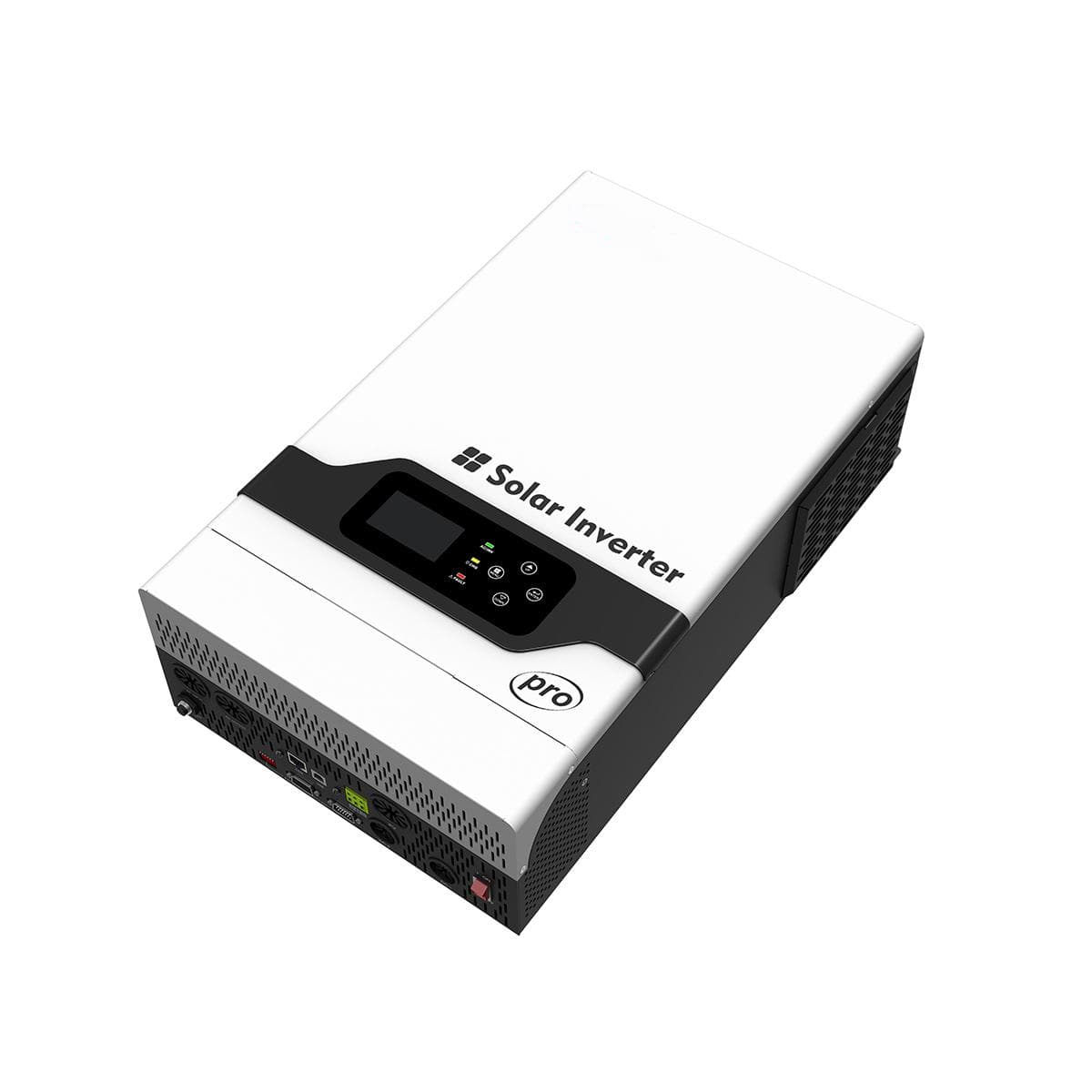
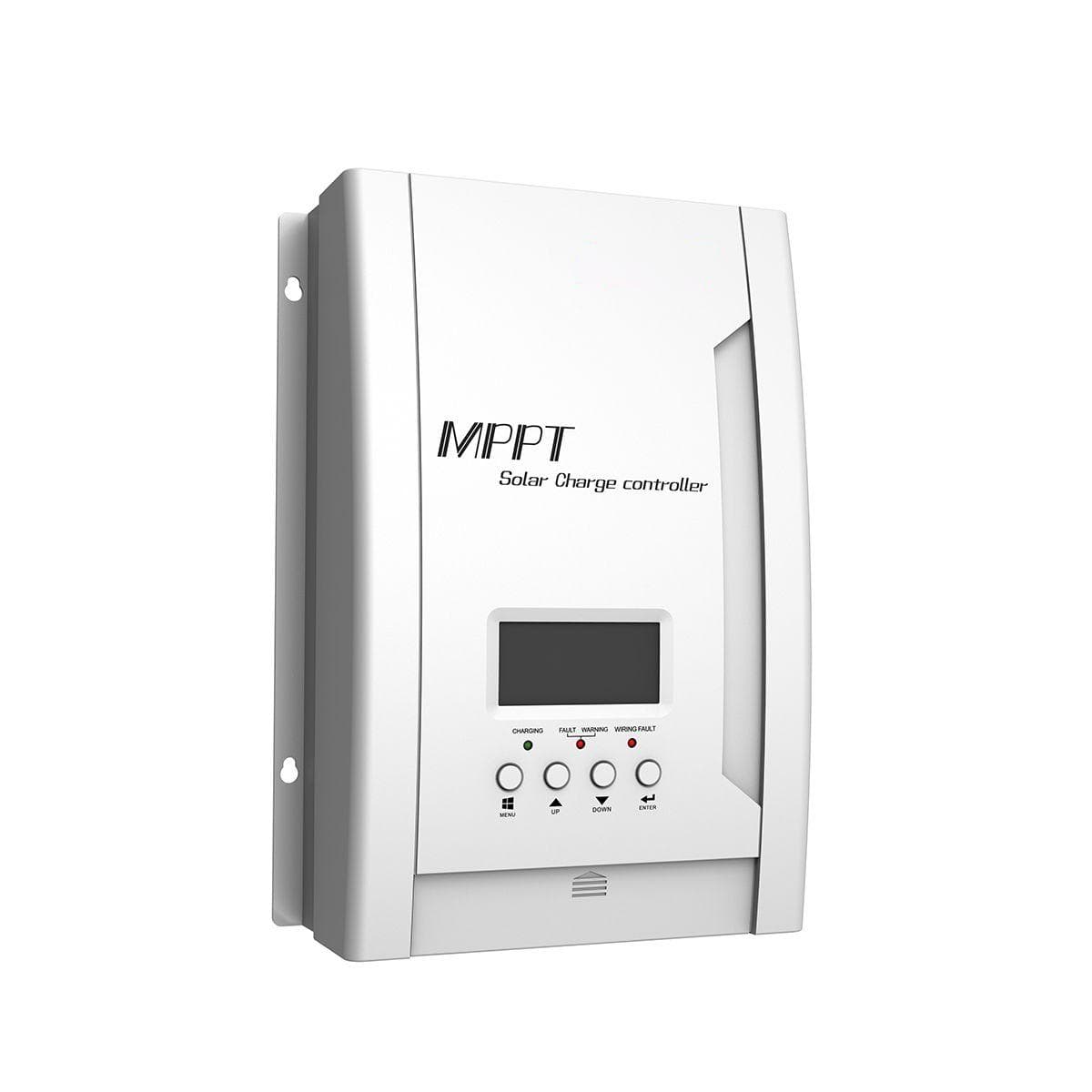
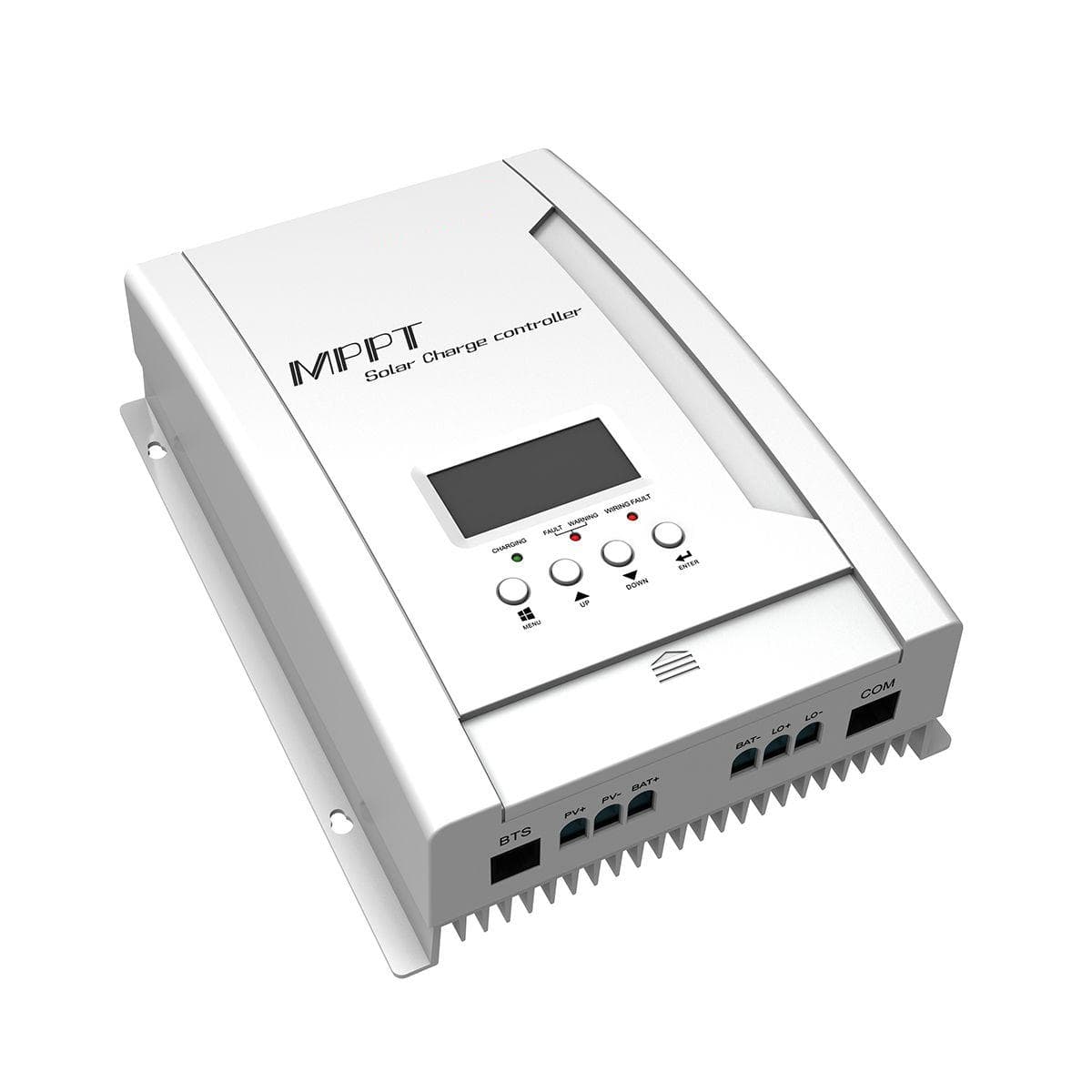
Some solar inverters combine inversion and solar charging. A standalone MPPT charge controller handles solar charging separately. Review each product's stated functions, PV voltage range and current limits; equipment names alone are not sufficient to establish a complete design.
Plan for the least favorable conditions
Storage requirements depend on the charging resources, operating schedule and time between recharge opportunities. Heat, dust, enclosure ratings and ventilation are also project inputs. A qualified designer should check the final configuration against the actual site conditions.
Find the right family to explore.
Use these categories to compare model specifications. They are not a pre-configured or verified compatible equipment package.
Before you shortlist.
Do I always need a separate solar charge controller?+
Not necessarily. Some inverter models include solar charging. Check the chosen model's functions and PV input specifications before adding separate equipment.
Can a product's wattage tell me how long the site will run?+
No. Power rating and runtime are different. Runtime also depends on the actual load, usable stored energy and losses. Prepare the load schedule before discussing battery capacity.
Understand the ratings before you shortlist.
Use these explanations to compare specifications and prepare the questions for your equipment enquiry.
Further reading: Victron: off-grid system considerations. External references explain general concepts; they do not establish compatibility or affiliation with Toyama.